Thursday, May 9, 2019

അരങ്ങിലേക്കു നടന്ന പെണ്‍ദൂരങ്ങള്‍ Interview by വി കെ ജോബിഷ് Part-3


നാടകം സംവിധാനം ചെയ്ത അനുഭവമുണ്ടല്ലോ. സിനിമ?>
സിനിമയില്‍ ഭാവിയില്‍ ചെയ്യാന്‍ സാധ്യതയുള്ള ഒരു കാര്യം സ്ക്രിപ്റ്റായിരിക്കും. അതെന്നെ വല്ലാതെ എക്സൈറ്റ് ചെയ്യുന്നുണ്ട്. സ്ക്രിപ്റ്റ് ഡിസ്കഷനില്‍ ചിലപ്പോള്‍ പങ്കാളിയാകാറുമുണ്ട്>
അരങ്ങില്‍നിന്ന് സ്ക്രീനിലേക്കെത്തിയപ്പോള്‍ നടി എന്ന നിലയില്‍ കിട്ടിയ പരിഗണനയിലെ വ്യത്യാസം?.>
നാടകത്തില്‍ അഭിനയിക്കുന്ന കാലത്ത് 'നാടകനടി' എന്ന പതിവ് ഒരു നെഗറ്റീവ് ഇമേജ് എനിക്കുണ്ടായതായി തോന്നിയിട്ടില്ല. ഞാന്‍ നാടകം ചെയ്തപ്പോഴൊക്കെ എന്നെ അംഗീകരിച്ചിട്ടുണ്ട്. പിന്നെ എന്റെ ഓഡിയന്‍സിനും വ്യത്യാസമുണ്ടായിരുന്നു. അവര്‍ നാടകത്തെ ഗൌരവത്തോടെ കാണുന്നവരായിരുന്നു. പക്ഷേ, നാടകനടിക്കു കിട്ടുന്നതിനേക്കാള്‍ വലിയ പരിഗണന തീര്‍ച്ചയായും 'സിനിമാനടി' എന്ന നിലയില്‍ ലഭിക്കും, കാരണം സിനിമയുടെ റീച്ചും ഗ്ളാമറും തന്നെയാണ്. അത് കലാകാരി എന്ന നിലയില്‍ ഞാന്‍ ആസ്വദിക്കുന്നുണ്ട്.>
സിനിമയില്‍ സജിതയുടെ കഥാപാത്രങ്ങള്‍ ടൈപ്പ് ആയി മാറുന്നുണ്ടോ?>
= അതിനുമാത്രം സിനിമകള്‍ ഞാന്‍ ചെയ്തിട്ടില്ല. ആക്ടിങ്ങില്‍ ഡിഫറന്‍സ് കൊണ്ടുവരാന്‍ എനിക്കുകഴിഞ്ഞിട്ടില്ലെങ്കില്‍ എന്റെ അഭിനയത്തിന് കുഴപ്പമുണ്ടെന്നാണ് മനസ്സിലാക്കേണ്ടത്. പരമാവധി വ്യത്യസ്തമാക്കാനുള്ള ശ്രമങ്ങള്‍ ഞാന്‍ നടത്തുന്നുണ്ട്. നമ്മുടെ സിനിമകളില്‍ ഏജന്‍സിയുള്ള സ്ത്രീ കഥാപാത്രങ്ങള്‍ കുറവാണ്. അതില്‍ത്തന്നെ മിഡില്‍ ഏജ് സ്ത്രീകഥാപാത്രങ്ങള്‍ക്ക് 'അമ്മവേഷങ്ങളുടെ' പരിമിതമായ വട്ടങ്ങളേ സിനിമ നല്‍കാറുള്ളൂ. ജീവിതത്തില്‍ ഞാന്‍ കാണിക്കുന്ന, എന്നെപ്പോലുള്ള സ്ത്രീകള്‍ കാണിക്കുന്ന ഇടപെടല്‍ സിനിമയില്‍നിന്ന് ഒരിക്കലും ലഭ്യമല്ല എന്നു തോന്നുന്നു. എന്നാല്‍ ഇതേ പ്രായമുള്ള പുരുഷകഥാപാത്രങ്ങള്‍ക്ക് ധാരാളം അഭിനയസാധ്യതയുണ്ട്, കഥാപാത്രങ്ങളുമുണ്ട്. ആണ്‍ലോകത്തിന്റെ ആഘോഷമാണ് ക്യാമറയ്ക്കു മുമ്പിലും പിറകിലും.>
സജിത ഇന്നൊരു ചലച്ചിത്രനടിയാണ്. നൃത്തത്തില്‍നിന്ന് സിനിമയിലേക്കെത്തിയവര്‍ തിരിച്ച് നൃത്തത്തില്‍ സജീവമാകാറുണ്ട്. എന്നാല്‍ നാടകമേഖലയില്‍നിന്ന് സിനിമയിലേക്ക് പോയവരാരും രണ്ടുമാധ്യമത്തിലും ഒരുപോലെ ഇടപെടുന്നതായി കാണാറില്ല. സജിതക്ക് >= തിരിച്ചുവരവോ?>
ഞാനതിന് എവിടെയും പോയിട്ടില്ലല്ലോ! ഞാന്‍ ചലച്ചിത്ര അക്കാദമിയില്‍ ജോലി ചെയ്യുമ്പോള്‍ എഴുതിയ പുസ്തകമാണ് 'മലയാള നാടക സ്ത്രീചരിത്രം'. നാടകത്തിന്റെ ലോകം തന്നെയാണ് എന്നെ നയിക്കുന്നത്. കേരളത്തിലായിരിക്കുമ്പോഴും പുറത്തായിരുന്നപ്പോഴും ഇവിടത്തെ പ്രാദേശികമായ നാടകപരീക്ഷണങ്ങളെക്കുറിച്ചറിയാന്‍ ഞാന്‍ ശ്രമിക്കാറുണ്ട്. നാടകാഭിനയവും സംവിധാനവും കുറേ സമയം ആവശ്യപ്പെടുന്നതും ഒരു സംഘകലയുമാണ്. എന്റെ സാഹചര്യം അതിനു പറ്റുന്നതായിരുന്നില്ല. ഇപ്പോള്‍ കേരളത്തിലെത്തിയ സാഹചര്യത്തില്‍ ഒരു പുതിയ പ്രോജക്ട് ആലോചിച്ചുകൊണ്ടിരിക്കുകയാണ്. അതുടനെയുണ്ടാകും.>
മലയാളനാടക സ്ത്രീചരിത്രം. മലയാളത്തിലെ അസാധാരണമായ ഒരു ചരിത്രപുസ്തകമാണ്. എങ്ങനെയാണ് ഇങ്ങനെയൊരു ചരിത്രാഖ്യാനത്തിലേക്കെത്തിയത്?>
പതിനാല് വര്‍ഷത്തോളം ഞാന്‍ നടത്തിയ റിസര്‍ച്ച് വര്‍ക്കാണ് ആ പുസ്തകം. പല തലത്തിലുള്ള ഗവേഷണങ്ങളുടെ ആകെത്തുക. തിയേറ്ററില്‍ ജന്റര്‍ എങ്ങനെയാണ് പ്രവര്‍ത്തിക്കുന്നത് എന്നന്വേഷിക്കാനുള്ള ഒരു ശ്രമം. പക്ഷേ, ഇത്തരമൊരന്വേഷണത്തിന് എന്റെ മുന്നില്‍ ഒരു ബേസിക് ടെക്സ്റ്റ്പോലും ഉണ്ടായിരുന്നില്ല. ആകെ ഉണ്ടായിരുന്നത് സെബാസ്റ്റ്യന്‍ കുഞ്ഞുകുഞ്ഞു ഭാഗവതര്‍ എഴുതിയ സ്മരണകളിലുള്ള ചില നടികളെക്കുറിച്ചുള്ള പരാമര്‍ശം മാത്രമായിരുന്നു. അന്വേഷിച്ചു തുടങ്ങിയപ്പോള്‍ ആ വലിയ പെണ്‍ലോകം എന്റെ മുമ്പിലെത്തി. എനിക്കുമുമ്പേയുള്ള നടികള്‍ ആരാണ്. അവര്‍ക്കുമുമ്പുള്ളവര്‍ ആരായിരുന്നു. എന്തുകൊണ്ടാണ് അവരെക്കുറിച്ച് ഒന്നും എഴുതാതിരുന്നത്? അങ്ങനെ ഞാന്‍ കേരളം മുഴുവന്‍ നടന്ന് കുറേയധികം നാടകപ്രവര്‍ത്തകരെ ഇന്റര്‍വ്യൂ ചെയ്ത് ഒട്ടേറെ വിവരങ്ങള്‍ ശേഖരിച്ചു. അവരുമായി വ്യക്തിപരമായി ഞാന്‍ നടത്തിയ സംഭാഷണങ്ങളില്‍നിന്ന് ഡെവലപ്പുചെയ്ത ഹിസ്റ്ററിയാണത്.>
മലയാള സ്ത്രീ നാടകചരിത്രം എന്നാണ് പലരും ഈ പുസ്തകത്തെ തെറ്റിദ്ധരിച്ചത്, സ്ത്രീ നാടകചരിത്രം?>
വേറൊരു ധാരയാണല്ലോ. അത് സ്ത്രീകളുമായി ബന്ധപ്പെട്ടിട്ടുള്ള നാടകങ്ങളുടെ ചരിത്രമാണ്. എന്നാല്‍ ഇത് മലയാള നാടകസ്ത്രീ ചരിത്രമാണ്. അതില്‍ എവിടെയാണ് സ്ത്രീ പ്ളെയ്സ് ചെയ്യപ്പെട്ടത് എന്ന അന്വേഷണമാണ്. ഇപ്പോഴും ചിത്രങ്ങള്‍ പൂര്‍ണമല്ല. ഈ എഴുത്തിന് പല വഴികളാണ് ഞാന്‍ സ്വീകരിച്ചത്. പേഴ്സണല്‍ നറേറ്റീവ്സ്, ബയോഗ്രഫി, റിട്ടണ്‍ ഹിസ്റ്ററി അങ്ങനെയങ്ങനെ പലതും. പള്ളുരുത്തി ലക്ഷ്മിയും ഓച്ചിറ വേലുക്കുട്ടിയും പി കെ മേദിനിയും സുധര്‍മയും കെപിഎസി സുലോചനയും നിലമ്പൂര്‍ ആയിഷയും ശാന്താദേവിയും ഒക്കെ അവരുടെ സര്‍ഗാത്മക ജീവിതംകൊണ്ട് എന്നെ അന്ധാളിപ്പിച്ചവരാണ്. ഈ പുസ്തകത്തിന് കേരള സംഗീത നാടക അക്കാദമിയുടെ അവാര്‍ഡ് ലഭിക്കുകയുണ്ടായി.>
കോഴിക്കോടന്‍ ബിരിയാണി, കോഴിക്കോടന്‍ അലുവ, കോഴിക്കോടന്‍ ഭാഷ ഒക്കെപ്പോലെ കേരളത്തിന്റെ പൊതുപാരമ്പര്യങ്ങളില്‍ നിന്ന് വേറിട്ടുനില്‍ക്കുന്ന ഒരു കോഴിക്കോടന്‍ നാടകപാരമ്പര്യവുമില്ലേ?.>
= മലബാര്‍ കേന്ദ്ര കലാസമിതിയുടെ പ്രവര്‍ത്തനങ്ങള്‍ മുതല്‍ കോഴിക്കോട് നാടകാവേശത്തിന്റെ നടുപന്തിയിലായിരുന്നു. കോഴിക്കോടിന് ആഴത്തില്‍ വേരുകളുള്ള ഒരു നാടകപാരമ്പര്യമുണ്ട്. അത് ചരിത്രത്തില്‍ അടയാളപ്പെടുത്താതെ ബാക്കി കിടക്കുകയുമാണ്. ഡോ. ശ്രീകുമാര്‍ അതിനായി ഏറെ ശ്രമങ്ങള്‍ നടത്തുന്നുണ്ട്.>
മലയാളസിനിമ സ്ത്രീ ചരിത്രവുമായി ബന്ധപ്പെട്ട് 'അവള്‍ വെള്ളിത്തിരയില്‍' എന്ന ഒരു ഫോട്ടോ പ്രദര്‍ശനം സജിത നടത്തിയിരുന്നല്ലോ?>
അത് ചെയ്യുമ്പോഴാണ് മനസ്സിലായത് സിനിമ എന്ന മാധ്യമത്തിലും സ്ത്രീകളെ സംബന്ധിച്ച വിവരങ്ങള്‍ ഒന്നും തന്നെ അവൈല്ബിള്‍ അല്ല. ഐഎഫ്എഫ്കെയിലാണ് ആദ്യം ഈ പ്രദര്‍ശനം നടത്തിയത്. ഈ പ്രദര്‍ശനം നടക്കുമ്പോള്‍ രസകരമായ അനുഭവമുണ്ടായി. മലയാളത്തിലെ പുതുതലമുറയിലെ ഒരു നടി 'എന്റെ ഫോട്ടോ എന്താണ് പ്രദര്‍ശിപ്പിക്കാത്തത്' എന്നു ചോദിച്ചു വഴക്കടിച്ചു. അപ്പോള്‍ ഞാന്‍ വിചാരിച്ചു. 80 വര്‍ഷത്തിലധികമുള്ള ചരിത്രത്തില്‍ അവരും ഞാനുമൊക്കെ എന്ത് കോണ്‍ട്രിബ്യൂഷനാണ് നല്‍കിയിട്ടുള്ളത്. സിനിമാലോകത്ത് സ്ട്രഗ്ള്‍ ചെയ്താണ് സ്ത്രീകള്‍ തങ്ങളെ പ്ളെയിസ് ചെയ്തത്. അതേക്കുറിച്ചുള്ള രേഖകളൊന്നും മുഴുവന്‍ നമുക്ക് ലഭ്യമല്ല. എങ്കിലും കുറേയൊക്കെ സംഘടിപ്പിച്ച് പ്രദര്‍ശിപ്പിച്ചു. തൃശൂരും കോഴിക്കോട്ടും പ്രദര്‍ശിപ്പിച്ചിരുന്നു. ആ ചരിത്രവുമായി ബന്ധപ്പെട്ടും ഒരു പുസ്തകം കൂടി ഇറക്കണമെന്ന് അക്കാദമി അന്ന് ആഗ്രഹിച്ചിരുന്നു. നടന്നില്ല.>
കേരളത്തില്‍ വ്യത്യസ്തമായ പെണ്‍ നാടകവഴിയായി സജിത കണ്ടത്?.>
അക്കൂട്ടത്തില്‍ തൃശൂരിലെ ശ്രീജ ആറങ്ങോട്ടുകരയുടെ നാടകങ്ങളാണ് എന്നെ അത്ഭുതപ്പെടുത്തിയിട്ടുള്ളത്. അവരുടെ നാടകത്തിന്റെ പ്രോസസ് എനിക്കു വലിയ ഇഷ്ടമാണ്. അവര്‍ക്ക് കുടുംബത്തിന്റെയും നാടകസംഘത്തിന്റെയും ഒക്കെ വലിയ പിന്തുണയുണ്ട്. കൃഷിയും നാടകവും ജീവിതവുമൊക്കെച്ചേര്‍ന്ന് ഒരു ഗ്രൂപ്പ്, കൂട്ടായ്മയുടെ അപൂര്‍വമായ നാടകസംഘമായി മാറുന്നു. ശ്രീജക്ക് അവിടെ നിര്‍ണായകമായ പങ്കുവഹിക്കാനാവുന്നു.>
ഭാവി മലയാളിയെ നിര്‍ണയിക്കുന്നതില്‍ നാടകത്തിന്റെ പങ്ക് എന്തായിരിക്കും? >
വീട്ടിനകം നല്‍കുന്ന നാലു ചുമരിന്റെ സുരക്ഷിതത്വത്തില്‍, തന്റെ സമൂഹത്തിനെ കാര്‍ന്നുതിന്നുന്ന ഫാസിസ്റ്റ് വിപത്തിനെ കണ്ടില്ലെന്നു നടിക്കാന്‍ അധികകാലം മലയാളിക്കാവുമെന്ന് തോന്നുന്നില്ല. അതിനോട് പ്രതികരിക്കാന്‍ അവര്‍ക്ക് കണ്ടെത്താവുന്ന മാധ്യമങ്ങളില്‍ നാടകത്തിന് വലിയ സ്ഥാനം തന്നെയുണ്ടാവും. ജാതിമതഭേദമന്യേ പ്രവര്‍ത്തിക്കാനുള്ള ഒരു സെക്യുലര്‍ സ്പേസുകൂടിയാണ് നാടകം. ഒരായിരം പ്രസംഗങ്ങളെക്കാള്‍, വലിയ റാലികളെക്കാള്‍ ഒരു നാടകത്തിന് സമൂഹത്തെ മാറ്റാനാവുമെന്ന് തെളിയിച്ചവരാണ് നമ്മുടെ മുന്‍തലമുറ. നമുക്ക് ആ നൊസ്റ്റാള്‍ജിയയില്‍ മാത്രം ജീവിക്കാന്‍ പറ്റില്ല. നമ്മുടെ, പുതിയ കാലത്തിന്റെ നാടകഭാഷ കണ്ടെത്തിയേ മതിയാകൂ. അതുകൊണ്ടുതന്നെ ഒട്ടേറെ നാടകസംഘങ്ങള്‍ കേരളത്തിന്റെ മുക്കിലും മൂലയിലും പുതിയ ആവിഷ്കാരവുമായി എത്തുമെന്ന പ്രതീക്ഷയാണ് എനിക്ക്. ഈ കാലത്തിനോട് ശക്തമായി പ്രതികരിക്കുന്ന നാടകങ്ങള്‍, എന്നാല്‍ സര്‍ഗാത്മക ഭാഷയില്‍ ഇടപെടാനും കഴിയുന്നവ.> (ദേശാഭിമാനി വാരികയില്‍ നിന്ന്) Read more: https://www.deshabhimani.com/women/latest-news/508449
No comments:

അരങ്ങിലേക്കു നടന്ന പെണ്‍ദൂരങ്ങള്‍ Interview by വി കെ ജോബിഷ് Part-2


? രാഷ്ട്രീയ താല്‍പ്പര്യങ്ങള്‍ സംഗീതനാടക അക്കാദമിയുടെ അജന്‍ഡകളെ നിര്‍ണയിക്കാറുണ്ടോ.>
ഓരോ ഗവണ്‍മെന്റ ് മാറുമ്പോള്‍ അക്കാദമികളുടെ മൊത്തം പെര്‍സെപ്ക്ടീവും മാറും. അതുവരെ പ്ളാന്‍ചെയ്ത എല്ലാ പ്രോഗ്രാമുകളെയും തകിടം മറിക്കും. കൃത്യമായ ഗൈഡ് ലൈനുകളില്ലാതെയാണ് ഇറ്റ്ഹോക്ക് പോലുള്ള വലിയ ഫെസ്റ്റിവലുകള്‍ നടത്തുന്നത്. അതാതു കാലത്തെ കമ്മിറ്റികളുടെ താല്‍പ്പര്യമനുസരിച്ച് അക്കാദമിക് പ്രവര്‍ത്തനങ്ങള്‍ മാറിവരുന്നു. ലോംഗ് ടേം പെര്‍സ്പെക്ടീവ് അവിടെ വിഷയമല്ല. അത് ഏറ്റവും കൂടുതല്‍ ബാധിക്കുന്നത് കലാകാരന്മാരെയും കലാരൂപങ്ങളെയുമാണ്. എങ്കിലും ഇന്ത്യയില്‍ സജീവമായി പ്രവര്‍ത്തിക്കുന്ന അക്കാദമികളിലൊന്നാണ് ഇന്നും കേരള സംഗീതനാടക അക്കാദമി.>
നാടക അക്കാദമിയുടെ തലപ്പത്ത് പലപ്പോഴും ചലച്ചിത്രതാരങ്ങളെയാണ് വാഴിക്കാറുള്ളത്. ചലച്ചിത്ര അക്കാദമിയുടെ തലപ്പത്ത് നാടകക്കാരെ വാഴിക്കാറില്ല. എന്തുകൊണ്ടാണ് ഇങ്ങനെ?>
അതിനെ വളരെ നെഗറ്റീവായി കാണണമെന്നില്ല. മുരളിയേട്ടനെപ്പോലെ നാടകമേഖലയില്‍ കഴിവുതെളിയിച്ചിട്ടുള്ള ആളുകള്‍, പിന്നീട് ചലച്ചിത്രത്തില്‍ വന്നു എന്നതുകൊണ്ട് അവരെ മാറ്റിനിര്‍ത്തേണ്ടതില്ല. മുകേഷിന്റെ കാര്യവും ഇതില്‍നിന്ന് വ്യത്യസ്തമല്ല. പിന്നെ, ഇതൊക്കെ അതാത് ഗവണ്‍മെന്റിന്റെ കൂടി താല്‍പ്പര്യങ്ങളാണ്.> ഇപ്പോള്‍ പുണെ ഫിലിം ഇന്‍സ്റ്റിറ്റ്യൂട്ടിന്റെ തലപ്പത്ത് ഗജേന്ദ്ര ചൌഹാനെയാണ് കൊണ്ടുവന്നത്. സെന്‍സര്‍ ബോര്‍ഡില്‍ നിന്ന് പലരെയും പിരിച്ചുവിട്ടു. ദേശീയതലത്തില്‍ സാംസ്കാരികസ്ഥാപനങ്ങളെ മൊത്തത്തില്‍ ഹിന്ദുത്വരാഷ്ട്രീയം പിടികൂടുന്നുണ്ടോ?> ഇപ്പോള്‍ ഇത്തരം സാംസ്കാരിക സ്ഥാപനങ്ങളില്‍ ജോലി ചെയ്യുക എളുപ്പമല്ല. വലിയ സമ്മര്‍ദങ്ങളുണ്ടാകും. പിന്നില്‍ പലതരം അജന്‍ഡകള്‍ പ്രവര്‍ത്തിക്കുന്നുണ്ട്. ഒരു സ്ഥാപനത്തെ എങ്ങനെ തകര്‍ക്കാം എന്നതിന്റെ ഉദാഹരണമാണ് ഗജേന്ദ്ര ചൌഹാനെപ്പോലുള്ള ഒരാളെ ഫിലിം ഇന്‍സ്റ്റിറ്റ്യൂട്ടിന്റെ തലപ്പത്ത് കൊണ്ടുവന്നത്. രാഷ്ട്രീയ ഹിന്ദുത്വം കള്‍ച്ചറിനെയാണ് ആദ്യം പിടികൂടുന്നത്. ഇത്തരം കാര്യങ്ങളോട് ആദ്യം വിധേയപ്പെടുന്നത് ആര്‍ട്ടിസ്റ്റുകളാണ്. പലപ്പോഴും അക്കാദമികളില്‍ പ്രവര്‍ത്തിക്കുമ്പോള്‍ ഹിന്ദുക്കളുടെ മാത്രം കലാരൂപങ്ങളേ ഇന്ത്യയില്‍ ഉള്ളൂ എന്നു തോന്നും. ഒരു മുസ്ളിം ആയ ആര്‍ട്ടിസ്റ്റിനുപോലും ഹിന്ദുവായി അഭിനയിക്കേണ്ടിവരുന്ന സ്ഥിതിയാണുള്ളത്. ആര്‍ട്ടിസ്റ്റുകള്‍ ഓള്‍റെഡി അതിന്റെ അറ്റത്താണ് നില്‍ക്കുന്നത്. അവരെ എളുപ്പത്തില്‍ ആകര്‍ഷിക്കാം. ഇന്ന് ഇത് വളരെ സ്വാഭാവികമാണ്. കമ്മിറ്റിയിലൊക്കെ മുസ്ളിം അംഗങ്ങളുണ്ടെങ്കിലും ഫൈനല്‍ ഡിസിഷനില്‍ ഒരു ഹിന്ദു പൊളിറ്റിക്സാണ് വര്‍ക്കുചെയ്തു കാണുന്നത്.> നിങ്ങള്‍ ചലച്ചിത്ര അക്കാദമിയില്‍ പ്രവര്‍ത്തിച്ച കാലത്ത് എടുത്തപറയത്തക്ക മാറ്റങ്ങള്‍ എന്തൊക്കെയായിരുന്നു?.> ചലച്ചിത്ര അക്കാദമി എന്നാല്‍ ഐഎഫ്എഫ്കെ മാത്രമായിരുന്നില്ല. ഒട്ടനവധി പ്രോഗ്രാമുകളും വര്‍ക്ക്ഷോപ്പുകളും അക്കാലത്ത് നടത്തിയിരുന്നു. ടൂറിങ് ടാക്കീസിനായി രണ്ടു വണ്ടികള്‍ കൂടി ഓടിത്തുടങ്ങി. നല്ല സിനിമകളുടെ ശേഖരം തന്നെ കണ്ണൂരിലെയും തൃശൂരിലെയും താല്‍ക്കാലിക ഓഫീസുകളില്‍ സൂക്ഷിച്ചു. അതെല്ലാം ഇന്ന് ഇല്ലാതായി. നല്ലൊരു പുസ്തകശേഖരം അവിടെ ഉണ്ടായിരുന്നു. പിന്നീടതിലേക്ക് ഒരു പുതിയ പുസ്തകം പോലും വാങ്ങിയതായി അറിവില്ല.> സജിത അഭിനയിച്ച ആദ്യ സിനിമ? > അടൂരിന്റെ നിഴല്‍ക്കുത്ത് ആയിരുന്നു. ഒറ്റ സീനിലായിരുന്നു അഭിനയിച്ചത്.> നാടകവും സിനിമയും വ്യത്യസ്ത മാധ്യമങ്ങളാണ്. നാടകത്തിന്റെ തട്ടില്‍ വിജയിച്ച പലരും ക്യാമറയ്ക്കുമുന്നില്‍ പരാജയമായിരുന്നു. പക്ഷേ, താങ്കള്‍ അതിനെ മറികടന്നിട്ടുണ്ട്. ഷട്ടര്‍ എന്ന സിനിമയില്‍ സജിത ചെയ്ത കേന്ദ്രകഥാപാത്രം അതുവരെ മലയാളസിനിമ പരിചരിച്ച രീതിയിലായിരുന്നില്?.> ഞാന്‍ കൈരളിയില്‍ പെണ്‍മലയാളം ചെയ്യുന്ന കാലത്ത് ഒരുപാട് സ്ത്രീജീവിതങ്ങളുമായി ബന്ധപ്പെടുകയുണ്ടായി. അതില്‍ സെക്സ് വര്‍ക്കേഴ്സും ഉണ്ടായിരുന്നു. അവരുമായി ബന്ധപ്പെട്ട വിഷയങ്ങളും ഞാന്‍ അവതരിപ്പിച്ചിരുന്നു. അതുകൊണ്ടുതന്നെ അവരുടെ ശരീരഭാഷയെ സൂക്ഷ്മമായി നിരീക്ഷിക്കാന്‍ എനിക്ക വസരമുണ്ടായി. ജോയ് മാത്യുവിന്റെ സ്ക്രിപ്റ്റ് അതിനെ ശരിവെക്കുന്നതായിരുന്നു. അതിനാല്‍ സിനിമയിലെ ആ കഥാപാത്രത്തിന്റെ ശരീരഭാഷയിലേക്ക് എളുപ്പം സന്നിവേശിപ്പിക്കാന്‍ കഴിഞ്ഞു. മാത്രമല്ല, ജോയ് മാത്യു ഉള്‍പ്പെടെയുള്ള ഒരു കോഴിക്കോടന്‍ ടീം വര്‍ക്കായിരുന്നു അത്. അതിന്റെ സന്തോഷം ആ കഥാപാത്രത്തിന് മിഴിവേകുന്നതിലുമുണ്ടായിരുന്നു. > ആത്മാവിഷ്കാരത്തിന് കൂടുതല്‍ തൃപ്തി നല്‍കുന്നത് സിനിമയാണോ നാടകമാണോ?> എനിക്ക് ആക്ടിങ് എന്ന പ്രോസസിലാണ് കംഫര്‍ട്ട് തോന്നാറ്. അത് നാടകമാണോ സിനിമയാണോ എന്നുള്ളതല്ല. നാടകം എനിക്ക് പരിചിതമായ മാധ്യമമാണ്. സിനിമ അഭിനയം അതുകൊണ്ടു തന്നെ ചാലഞ്ചിങ് ആണ്.>
No comments:

അരങ്ങിലേക്കു നടന്ന പെണ്‍ദൂരങ്ങള്‍ Interview by വി കെ ജോബിഷ് Part 1


>
നാടകത്തിന്റെ ഇന്നോളമുള്ള പെണ്‍ചരിത്രത്തിന്റെ ഭൂതവും ഭാവിയും നിര്‍ണയിച്ച സമകാലികമുഖങ്ങളിലൊന്നാണ് സജിത മഠത്തിലിന്റേത്. തന്നിലെയും അരങ്ങിലെയും സ്ത്രീശക്തിയുടെ മുഴുവന്‍ വീര്യം വീണ്ടെടുത്തവള്‍. മലയാള മുഖ്യധാരാ നാടകചരിത്രം പുരുഷന്റെ നിഴല്‍വെട്ടങ്ങളായിപ്പോലും രേഖപ്പെടുത്താതെ വിജനമായ ഇരുട്ടിലുപേക്ഷിച്ച പെണ്ണനുഭവങ്ങളെ വാമൊഴിപ്പാഠത്തിന്റെ സാധ്യതകളുപയോഗിച്ച് ബദല്‍ ചരിത്രം നിര്‍മിച്ചവള്‍. അരങ്ങിലെ സ്ത്രീ സജിതയോട് കടപ്പെട്ടിരിക്കുന്നു. മാത്രമല്ല, സ്വന്തം ഇച്ഛക്കനുസരിച്ച് ജീവിതത്തെ രൂപപ്പെടുത്തുന്നതാണ് വ്യവസ്ഥക്കെതിരെ ഒരാള്‍ നടത്തുന്ന ഏറ്റവും സര്‍ഗാത്മകമായ കലാപം. അത് പെണ്ണിന്റേതുകൂടിയാവുമ്പോള്‍ തീവ്രം, സുന്ദരം. അതുകൊണ്ടുതന്നെ ഈ പെണ്ണനുഭവത്തിന്റെ പരിച്ഛേദം മലയാളസ്ത്രീ നാടകത്തിന്റെ ജീവചരിത്രം കൂടിയാണ്. ഒരേസമയം നാടകവും യാത്രയും സിനിമയും ആക്ടിവിസവും എഴുത്തും ഗവേഷണവും ഒക്കെ സമന്വയിപ്പിച്ച പെണ്‍ജീവിതം. അടങ്ങിയിരിക്കുന്ന പെണ്ണിന് ഒരു താക്കീതാണ് സജിതയുടെ ഈ ജീവിതം. ജീവിതത്തില്‍ ഒരിക്കല്‍ വീണപ്പോള്‍ തോറ്റു എന്ന് ഏറ്റുപാടിയവര്‍ക്ക് മുന്നില്‍ പ്രതിഭയുടെ വീര്യംകൊണ്ടും അവിരാമമായ ആത്മാവിഷ്കരണങ്ങള്‍ കൊണ്ടും അനന്യമായ ജീവിതം സാധ്യമാക്കി പകവീട്ടിയവള്‍. സ്ത്രീ, സ്ത്രീയെ ലംഘിക്കുകയും അതിജീവിക്കുകയും ചെയ്യുമ്പോഴാണ് ജീവിതം ഇത്രമേല്‍ സുന്ദരമാകുന്നത്. ലോകം പ്രലോഭനമായി നല്‍കിയ സുരക്ഷിതത്വത്തില്‍ രമിച്ചിരുന്നെങ്കില്‍ ഇവളും നമുക്കപരിചിതയായേനെ. വിലക്കപ്പെട്ടതെല്ലാം സ്വാതന്ത്യ്രംകൊടുത്ത് സ്വായത്തമാക്കിയപ്പോള്‍ അവള്‍ ക്രമേണ അനാവൃതയാവുകയായിരുന്നു. അവളോടൊപ്പം മലയാളത്തിന്റെ പെണ്ണരങ്ങ് കൂടുതല്‍ തീക്ഷ്ണവും ചൈതന്യവുമാര്‍ന്നു. സ്വാതന്ത്യ്രംകൊണ്ട് നെയ്തെടുത്ത ഈ സൌന്ദര്യം അരങ്ങിന്റേത് കൂടിയാവുന്നു. ഒന്നിനും ധൈര്യം കാണിക്കാത്തവരുടെ ദുരവസ്ഥകളാണ് എപ്പോഴും സജിതയെ പ്രചോദിപ്പിച്ചത്. അവയോട് നമുക്കും കടപ്പെടാം. അതുകൊണ്ടാണ് കല്ലായിയിലെ കോലായമുതല്‍ ആഫ്രിക്കയുടെ അരങ്ങുകളില്‍വരെ സജിതക്ക് സ്വയം പ്രകാശിപ്പിക്കാനായത്.>
ചന്ദ്രശേഖരമേനോന്റെയും സാവിത്രിയുടെയും മകളായി കോഴിക്കോട് ജനിച്ച സജിത കൊല്‍ക്കത്തയിലെ രബീന്ദ്രഭാരതി സര്‍വകലാശാലയില്‍നിന്ന് നാടകത്തില്‍ എംഎയും സ്കൂള്‍ ഓഫ് ലെറ്റേഴ്സില്‍നിന്ന് എംഫിലും നേടി. ഇപ്പോള്‍ ജവഹര്‍ലാല്‍ നെഹ്റു സര്‍വകലാശാലയില്‍ നിന്ന് മലയാളനാടകത്തിലെ സ്ത്രീശരീരത്തിന്റെ പരിണാമങ്ങള്‍ എന്ന വിഷയത്തില്‍ വിഷ്ണുപ്രിയദത്തിന്റെ കീഴില്‍ ഗവേഷണം നടത്തുന്നു. മുടിത്തെയ്യം, ആഷാഡ് ക ഏക് ദിന്‍, ഭരതവാക്യം, ചിറകടിയൊച്ചകള്‍, ബ്യൂട്ടി പാര്‍ലര്‍, മത്സ്യഗന്ധി, ഗാര്‍ഡിയന്‍സ് ഓഫ് ദ ഡീപ്, വാട്ടര്‍ പ്ളേ, മതിലുകള്‍, സ്പൈനല്‍ കോഡ് എന്നിവയാണ് പ്രധാന രംഗാവതരണങ്ങള്‍. നിഴല്‍ക്കുത്ത്, വീരപുത്രന്‍, ജാനകി, ഷട്ടര്‍, ഞാന്‍, വര്‍ഷം, ഒറ്റമന്താരം, ഇടുക്കി ഗോള്‍ഡ് തുടങ്ങി ഒട്ടേറെ സിനിമകളില്‍ അഭിനയിച്ചിട്ടുണ്ട്. മത്സ്യഗന്ധി, ചക്കീചങ്കരന്‍ ഒരു ഫാമിലി റിയാലിറ്റി ഷോ, മദേഴ്സ് ഡേ എന്നീ നാടകങ്ങളും അരങ്ങിന്റെ വകഭേദങ്ങള്‍, മലയാള നാടകസ്ത്രീ ചരിത്രം, ആദ്യകാലനടി എം കെ കമലത്തെക്കുറിച്ച് ജീവചരിത്രം എന്നിവയും രചിച്ചിട്ടുണ്ട്. പിആര്‍ഡിക്കുവേണ്ടി പി കെ മേദിനിയെക്കുറിച്ച് 'മാറ്റത്തിന്റെ പാട്ടുകാരി' എന്ന ജീവചരിത്ര ഡോക്യുമെന്ററി തയ്യാറാക്കി. കേരള ചലച്ചിത്ര അക്കാദമിയുടെ ഡെപ്യൂട്ടി ഡയറക്ടറായും കേന്ദ്ര സംഗീതനാടക അക്കാദമിയില്‍ ഡെപ്യൂട്ടി സെക്രട്ടറിയായും പ്രവര്‍ത്തിച്ച സജിത ഇപ്പോള്‍ കേരളത്തില്‍ മുഴുവന്‍സമയ കലാസാംസ്കാരിക പ്രവര്‍ത്തനം നടത്തുന്നു.>
ആക്ടിവിസ്റ്റ്, നാടകപ്രവര്‍ത്തക, ഗവേഷക, എഴുത്തുകാരി, സിനിമാനടി എന്നിങ്ങനെ വൈവിധ്യമാര്‍ന്ന മേഖലകളില്‍ സജിത ഇടം കണ്ടെത്തിയിട്ടുണ്ട്. സ്വാഭാവികമായ ഒരു പെണ്‍ജീവിതംകൊണ്ട് എളുപ്പം സാധ്യമാകുന്നതല്ല ഇതൊന്നും. എവിടെവച്ചാണ് ഈ വഴിപിരിയല്‍?. > എനിക്ക് മൂന്നുവയസുള്ളപ്പോള്‍ അച്ഛനെ നഷ്ടപ്പെട്ടു. പിന്നെ അമ്മയായിരുന്നു എന്നെ വളര്‍ത്തിയത്. അതെന്നെ മറ്റ് കുട്ടികളില്‍നിന്ന് വ്യത്യസ്തതയുള്ള ഒരാളാക്കി. ഞങ്ങളുടേത് കൂട്ടുകുടുംബമായിരുന്നു. അനിയത്തിയെ ഗര്‍ഭിണിയായിരിക്കുമ്പോഴാണ് അച്ഛന്‍ മരിച്ചത്. അമ്മ ടീച്ചറായിരുന്നു, ആക്ടിവിസ്റ്റും. അമ്മ വീട്ടിലുണ്ടാവുന്ന സമയം കുറവാണ്. അതുകൊണ്ട് എനിക്ക് ധാരാളം സ്വപ്നം കാണാനും കളിക്കാനുമുള്ള അവസരം കിട്ടിയിട്ടുണ്ട്. ഞങ്ങള്‍ താമസിച്ചിരുന്നത് ടൌണിലും ഗ്രാമത്തി ലുമല്ലാത്ത കോഴിക്കോട്ടെ കല്ലായി എന്ന സ്ഥലത്തായിരുന്നു.> പിതൃഅധികാരത്തിന്റെ അഭാവത്തില്‍ വളര്‍ന്നതുകൊണ്ടാണോ ഇത്തരമൊരു സ്വാതന്ത്യ്രത്തില്‍ എളുപ്പം പ്രവേശിച്ചത്. അല്ലെങ്കില്‍ ഒരു സാധാരണ സ്ത്രീജീവിതം ആയിപ്പോയേനെ എന്നാണോ?.> = അതറിയില്ല. പക്ഷേ, അച്ഛന്റെ അഭാവം അമ്മ അറിയിച്ചിരുന്നില്ല. അച്ഛനില്ലാത്തതിന്റെ വിഷമം അനുഭവിച്ചത് മുതിര്‍ന്നശേഷമാണ്; ചില സമയത്ത് എന്റെ കൂടെയുള്ള കുട്ടികളുടെ ജീവിതത്തില്‍ രക്ഷിതാക്കള്‍ തീരുമാനങ്ങള്‍ എടുക്കുമ്പോള്‍! എന്റെ കാര്യത്തില്‍ അമ്മയെക്കാള്‍ ഉപരി ഞാന്‍ തന്നെയായിരുന്നു തീരുമാനം എടുത്തിരുന്നത്. ആ സ്വാതന്ത്യ്രം പിന്നീട് ഞാന്‍ വലിയ രീതിയില്‍ ആസ്വദിച്ചു എന്നാല്‍ ആ സ്വാതന്ത്യ്രം നല്‍കിയ ഉത്തരവാദിത്തം ചെറുതായിരുന്നില്ല.> ഈ സ്വാതന്ത്യ്രമാണോ ഇന്നത്തെ സജിതയെ സാധ്യമാക്കിയത്?.> ആയിരിക്കാം, ചെറുപ്പത്തില്‍ ഡാന്‍സിലായിരുന്നു താല്‍പ്പര്യം. പത്തിരുപത് വര്‍ഷക്കാലം ഞാന്‍ ഡാന്‍സ് പഠിച്ചിട്ടുണ്ട്. ഡിഗ്രിവരെ ഡാന്‍സിനുതന്നെയായിരുന്നു പ്രാധാന്യം കൊടുത്തിരുന്നത്. കോഴിക്കോടുണ്ടായിരുന്ന നാടകനടിയായിരുന്ന സാവിത്രി ശ്രീധര്‍ ആയിരുന്നു ആദ്യത്തെ ഡാന്‍സ് ടീച്ചര്‍. പിന്നീട് കലാമണ്ഡലം ചന്ദ്രിക ടീച്ചര്‍. അവരൊക്കെ പ്രതീക്ഷിച്ചിരുന്നത് ഞാന്‍ ഡാന്‍സില്‍ തന്നെ ഉറച്ചു നില്‍ക്കുമെന്നായിരുന്നു. പക്ഷേ, ജീവിതം മറ്റൊരു രീതിയിലാണ് എന്നെ നയിച്ചത്. അമ്മ നേരത്തെതന്നെ ശാസ്ത്ര സാഹിത്യ പരിഷത്തിന്റെ സജീവപ്രവര്‍ത്തകയായിരുന്നു. അമ്മയ്ക്ക് പൊതുപ്രവര്‍ത്തനത്തില്‍ വലിയ താല്‍പ്പര്യമായിരുന്നു. വീടിന്റെ അകത്തെമാത്രം സ്ത്രീകളുടെ ഇടമായി അമ്മ ഒരിക്കലും പരിഗണിച്ചിരുന്നേയില്ല. വീടിന്റെ പുറത്തായിരുന്നു ജീവിതമെന്നാണ് അമ്മ എപ്പോഴും വിചാരിച്ചിരുന്നത്. അമ്മയെപ്പോലുള്ള സ്ത്രീകളുടെ എനര്‍ജിയെ ഗൌരവപൂര്‍വം നയിക്കാനുള്ള രാഷ്ട്രീയ നേതൃത്വമോ സംഘടനകളോ കേരളത്തില്‍ അന്നും ഇന്നും കുറവാണ്.> ഈ സ്ത്രീകളുടെ കഴിവുകളെ യഥാര്‍ഥത്തില്‍ ഒരു സംഘടനയും ആവശ്യപ്പെടുന്നില്ല. എങ്കിലും അച്ഛന്‍ മരിച്ചതു കൊണ്ടുള്ള ഏകാന്തത അമ്മ പരിഹരിച്ചിരുന്നത് പുറത്തുള്ള ആക്ടിവിസത്തിലായിരുന്നു. അതുകൊണ്ടുതന്നെ ഒരു ഐഡിയല്‍ മദറിന്റെ പ്രൊട്ടക്ഷനൊന്നും ഞങ്ങള്‍ക്കു ലഭിച്ചിരുന്നില്ല, അന്നതില്‍ വിഷമിച്ചിരുന്നുവെങ്കിലും പിന്നീട് അതായിരുന്നു ശരിയെന്നുതോന്നി. അങ്ങനെ വളര്‍ന്നതു കൊണ്ടായിരിക്കാം ഇന്നത്തെ എന്നെ സാധ്യമാക്കിയത്. ആ ഘട്ടത്തില്‍ അമ്മയോടൊപ്പം പരിഷത്തിന്റെ ക്ളാസ് കേള്‍ക്കാന്‍ ഞാന്‍ പോകുമായിരുന്നു. ആയിടയ്ക്കാണ് വലപ്പാട് വെച്ച് പരിഷത്തിന്റെ നേതൃത്വത്തില്‍ പത്തുദിവസത്തെ വനിതാശിബിരം നടന്നത്. അന്ന് ഞാന്‍ ഡിഗ്രിക്കും അനിയത്തി പ്രീഡിഗ്രിക്കും പഠിക്കുകയായിരുന്നു. അമ്മക്ക് അതില്‍ പങ്കെടുക്കണമായിരുന്നു. എന്നാല്‍ അവധിക്കാലത്ത് പെണ്‍കുട്ടികളെ ഒറ്റക്കാക്കി പോകരുതെന്ന് അമ്മൂമ്മ പറഞ്ഞതുകൊണ്ട് അമ്മ ഞങ്ങളെയും കൂടെ കൊണ്ടുപോയി.> സ്ത്രീകളുടെ വലിയൊരു ക്യാമ്പായിരുന്നു അത്. അവിടെ ജെ ദേവിക, ജ്യോതി നാരായണന്‍, വനിത മുഖര്‍ജി, ഡോ. ജയശ്രീ, നടാ ദുവരി, രാധാമണിചേച്ചി, സരസ്വതിചേച്ചി തുടങ്ങിയ ഇന്ന് കേരളത്തില്‍ ചരിത്രത്തിലും ശാസ്ത്രത്തിലും സാമൂഹികരംഗങ്ങളിലും സക്രിയമായി ഇടപെടലുകള്‍ നടത്തുന്ന പലരും അതില്‍ പങ്കാളികളായിരുന്നു. ഞാനാദ്യമായിട്ടായിരുന്നു ഇത്തരമൊരു ഡിസ്കഷനിലൂടെ കടന്നുപോകുന്നത്. എന്റെ മക്കളെ കല്യാണം കഴിപ്പിച്ചിട്ട് കുറച്ചുകൂടി ആക്ടിവിസത്തിലേക്ക് ഇറങ്ങണമെന്ന് അമ്മ ഒരു ഗ്രൂപ്പ് ചര്‍ച്ചയില്‍ പറയുന്നത് എനിക്ക് കേള്‍ക്കാമായിരുന്നു. അപ്പോള്‍ ഒരു പ്രവര്‍ത്തക എഴുന്നേറ്റ് നിന്നുചോദിച്ചു എന്തുകൊണ്ട് അവരെയും ആക്ടിവിസത്തിലേക്ക് കൊണ്ടു വന്നുകൂടാ? ഞാനിത് കേട്ടുകൊണ്ടിരിക്കയായിരുന്നു. പെണ്‍കുട്ടി എന്നാല്‍ മാലയും വളയും പൊട്ടും കുത്തി സുന്ദരിയായി നടക്കുക എന്ന തോന്നലില്‍നിന്ന് എന്നെ മോചിപ്പിച്ചത് ആ ക്യാമ്പായിരുന്നു, അവിടെ നടന്ന ഡിസ്കഷനായിരുന്നു. സ്ത്രീപുരുഷ സമത്വമായിരുന്നു അന്നത്തെ പ്രധാനചര്‍ച്ചാവിഷയം. കുടുംബത്തിനകത്തും പുറത്തും ജോലിചെയ്യുന്ന സ്ത്രീ എന്തിനാണ് അധികഭാരം ചുമക്കുന്നത്, മീഡിയക്കകത്ത് എങ്ങനെയാണ് സ്ത്രീ പരിചരിക്കപ്പെടുന്നത് തുടങ്ങി സ്ത്രീകളുമായി ബന്ധപ്പെട്ട കുറേ ചോദ്യങ്ങള്‍ എന്റെ പഴയ ചിന്തകള്‍ക്ക് നല്‍കിയ പ്രഹരമായിരുന്നു.> ആ ക്യാമ്പാണോ പൂര്‍ണമായും വഴിമാറി നടക്കാന്‍ പ്രേരിപ്പിച്ചത്?.> തീര്‍ച്ചയായും. ഒരു ക്യാമ്പ് ഇത്രമാത്രം സ്വാധീനിക്കുമെന്ന് ഞാന്‍ വിചാരിച്ചിരുന്നില്ല. പക്ഷേ, ഞാന്‍ മാറി. എന്റെയുള്ളില്‍ വിപ്ളവകരമായ പല തോന്നലുകളുമുണ്ടായി. ഞാന്‍ തീര്‍ത്തും മാറി. പ്രതീക്ഷിക്കാന്‍ പറ്റുന്നതിലപ്പുറം. അതുവരെ ഒരു മാലപോലുമിടാതെ പുറത്തിറങ്ങാന്‍ ധൈര്യപ്പെടാത്ത ഞാന്‍ പിന്നീട് അതൊക്കെ ഉപേക്ഷിക്കാന്‍ തയ്യാറായി. പൊട്ടു തൊടാതെ, കണ്ണെഴുതാതെ, സ്വര്‍ണാഭരണങ്ങള്‍ ഉപേക്ഷിച്ച് അങ്ങനെ നിറമില്ലാത്തൊരാളി ഞാന്‍ മാറി. ആ നിറമില്ലായ്മയില്‍ ഞാന്‍ സൌന്ദര്യം കണ്ടു. 27 വയസ്സുവരെ അങ്ങനെ തന്നെയായിരുന്നു. എന്റെ ഈ മാറ്റത്തോട് കുടുംബത്തിലുള്ളവരും പഴയ കൂട്ടുകാരികളും വലിയ അസഹിഷ്ണുത കാണിച്ചു. പക്ഷേ, അമ്മ അല്‍പ്പം പരിഹാസത്തോടെ, ആശ്ചര്യത്തോടെ ഇതൊക്കെ നോക്കിക്കണ്ടു. ആ ഘട്ടത്തില്‍ പുതിയ കുറേ ആണ്‍പെണ്‍ സുഹൃത്തുക്കളെ കിട്ടി. അവരൊക്കെ വീട്ടില്‍ വരുമായിരുന്നു. കുടുംബക്കാര്‍ക്ക് അത് ഉള്‍ക്കൊള്ളാനായില്ല. രാഷ്ട്രീയം, ഫെമിനിസം തുടങ്ങിയവയെക്കുറിച്ചൊക്കെ രാപ്പകലില്ലാതെ ഞങ്ങള്‍ ചര്‍ച്ച ചെയ്തിരുന്നു.>
No comments:

Friday, May 3, 2019

As the curtain goes up- Review by Renu Ramanath


Arangile Matsyagandhikal’, a compilation of plays written by Sajitha Madathil, one of the few woman playwrights in Malayalam theatre, is a captivating peek into the characters created by the veteran actor and director
Matsyagandhi, in the Mahabharatha, is the woman who exuded a fishy smell. For many, it was a foul smell but that was her fragrance, part of her self, her essence. And that was the only aspect of her that a great sage could not agree with. So, with a simple flourish of his hand, he got rid of that and replaced it with a fragrance he loved – a divine, musky fragrance. Perhaps she knew that with that was gone a part of her too. May be, she knew of the destiny that awaited her new self. In Arangile Matsyagandhikal (Matsyagandhis of the Stage), a collection of plays she published recently, Sajitha Madathil, a well-known theatre and film personality, portrays the many Matsyagandhis of the present world, the women who are forced to carry the stench that has become a part of them, and the women who are forced to erase a part or even parts of their selves. They are the women on the margins; women pushed to the margins; women who are raw, who still smell of fish, mud, earth and blood. The first collection of plays penned by Sajitha Madathil, Arangile Matsyagandhikal contains four powerful scripts – Matsyagandhikal, Chakkee – Chankaran: A Family Reality Show, Mother’s Day and Kaali Natakam. -First step- Matsyagandhikal, the first play of the collection, was also the first play written by Sajitha in 2002. The play had materialised as part of ‘Theatre for Africa,’ an international collaborative theatre project in connection with the Earth Summit 2002 held in South Africa, focussing on sustainable development of fishing communities. Sajitha was one of the six actors from six continents who were invited to be a part of the project. “I had absolutely no experience in writing a play at that time and had tried hard to get someone to write it for me, but nothing worked out,” she recalls.
Finally, she decided to take up the pen herself. Sajitha had earlier done some extensive documentation on the lives of the fisherwomen for a programme for Kairali TV where she was working at that time. That came in handy. Sajitha had directed and performed the solo, one-act play by herself. Matsyagandhikal was first performed in coastal villages before she travelled to South Africa where the play was received enthusiastically. Chakkee–Chankaran was written almost five years later, in 2007. “I had quit my job with Kairali TV and moved to Delhi,” Sajitha remembers. And surely this is a play inspired by her days in the electronic media. Set as the shooting of a family reality show for a television channel, Chakkee–Chankaran explores fresh, territory regarding the lives of women as well as the man-woman relationship. Mother’s Day, originally written for Kerala Sasthra Sahithya Parishath in 2010, is also set in the same background, as the shooting of a Mother’s Day special programme for a TV channel, the central character being Shyamalamma, a veteran actor known for her ideal ‘mother’ roles. Both these plays have not yet been staged so far. Kaali Natakam, her latest play, was written specifically for a theatre production. “Chandradasan (of Lokadharmi, Ernakulam) made me write it for a stage production,” says Sajitha. “It was a great experience, writing for a specific production, with a group and team who were ready to stage it.” She had also performed the lead character of Kaali. The play talks of the bizarre situation that arises when a Dalit woman, chosen to perform the role of Goddess Kaali in the ritual performance of Mudiyattam, murders Rama Kurup, who performed as Darika.
-Going unconventional- Being the performer and playmaker that she is, Sajitha’s scripts are accompanied by detailed stage instructions. They are, in fact, like production scripts. And she draws many an unconventional portrayal of women in her characters. For example, the daughter in the mother-daughter duo in Chakkee-Chankaran chides the mother for not giving her a conventional upbringing that would have helped her lead a ‘normal’ family life. But the mother scoffs at her daughter’s complaints and makes it clear that she has a life of her own. Aged women, often considered senior citizens, make their appearances in both Chakkee–Chankaran and Mother’s Day, voicing their need for having their own lives. “We hardly think about issues and emotional crises faced by women of that age group, especially those who are forced to stay at home after retirement, leaving behind an active social life just because they are aged or taken retirement from their professional lives,” she says. Indeed, much of the inspiration comes from the life of Sajitha’s mother, a social and political activist, who passed away last year. Arangile Matsyagandhikal is the second volume of plays in Malayalam written by a woman, the other being a collection of plays by Sreeja Arangottukara. Although Kerala boasts about its status of women in society, the history of theatre in Kerala shows an appalling dearth of women playwrights, even though Kutti Kunju Thankachi, considered the first woman playwright of Malayalam, had written her play, Anjatha Vasam, in the late 19th century. The latter history of theatre in Kerala shows that women in theatre were usually kept behind the curtain. Sajitha had tried to trace the history of women’s presence in Malayalam theatre through her book Malayala Nataka Sthree Charithram. There are only a few women playwrights such as Thottakkattu Ikkavamma, another 19th century woman writer, or in later times, B Saraswathi Amma, Lalithambika Antharjjanam and Kamala Surayya. The trend has continued in the present day and but for a few women such as Sreeja Arangottukara and E Rajarajeswari, there aren’t many women playwrights in Malayalam. This dearth makes Arangile Matsyagandhikal a significant tome of our times. Arangile Matsyagandhikal Green Books

Finding her space- Written by Sajitha Madathil


This is a personal narrative of a theatre activist. I am not alone as there are quite a few women who have carried their gender-sensitive thoughts to the theatre and I can see the changes that have happened to theatre in Kerala after such interventions. These changes have not only influenced the visual language and content of the productions but are also slowly changing the space of theatre itself. I have been working in the field for the last two decades. The 1980s played an important role in shaping a woman’s life in Kerala. It was probably the first time when youngsters like me began to hear about feminism. Kerala’s social and political movements have always had a strong affiliation with theatre. This inevitably helped the feminist movement in communicating with society through the medium. Street plays of Manushi (a pioneering feminist group comprising college teachers and students under the leadership of writer Sara Joseph) on women’s issues were an eye-opener to students like me then. I got a chance to attend a theatre workshop of women’s street theatre group Samatha, Thrissur, led by professor and activist Ushakumari in 1987. It was an interesting experience, which gave me a lot of confidence as a performer. Here again, theatre was a tool to communicate certain issues. I was an activist with the People’s Science Movement (Kerala Sastra Sahitya Parishad) and feminism was a hot topic in our movement as well. With their strong network among the people of Kerala, they decided to work on Kalajatha, a travelling troupe of street-play performers. The topics we chose were issues faced by women in social, economic and political spheres. An activist like me would know what to say through the plays, but we, the women in the group, didn’t know how to write a script or how to direct a theatre piece and we shared our thoughts with well-known script writers in our group, who, obviously were men. A scene from the play Matsyagandhi A scene from the play Matsyagandhi | Photo Credit: S RAMESH KURUP We thought writing a script was something too technical and the only thing expected from young women like me was acting. That’s the way I started my acting career. Acting on the street excited me but it also disturbed me. The topics were new and they were about our life, but the same old images — husband beating up wife, the woman cringing and weeping, the never-ending routine of household chores, illiterate ‘better halves’ — were repeated. Sometimes, women were portrayed as ‘goddesses’ with their long hair hung loose, inflicting curses on society. This canon of street plays changed only after the deliberate intervention of women theatre activists. Activist groups, however, gradually moved on to other topics. But what was unexpected was the way such cultural activism changed the perception about the lives of women activists. I realised that it was difficult for me to continue with dance, which was my earlier interest, and felt that theatre possessed a magic; that it was the only space with which I could connect my creativity and social concerns. In Kerala, cultural activism among women was not something new. Actors such as Nilambur Ayisha, KPAC Sulochana and singers like Medini, Meenakshi, Anasooya and many others were active in the political cultural activism of the Left from the 1940s. But their contributions were not seriously counted until recently when we all started trying to trace our roots. The 1990s was a period when all of us were going deeper into different cultural spaces. The Women’s Theatre Workshop conducted by Stree Padana Kendram was different from earlier ones. That was the first time we started discussing the problems of representation of women’s body in theatre. That was the time we began to understand the invisibility of women in Kerala’s cultural history and there were a lot of questions about this newly-invented space. It was not only about restricted movements prescribed for women, or about creating poses and positions and gestures that exploited the role of women as a sexual object but also about the socio-economic status of female actors. Our tasks included producing written theatre experiences, highlighting neglected women playwrights, understanding the grammar of theatre and finding spaces to work within a predominantly patriarchal space of theatre. Though women had started working on the stage even at the beginning of theatre in Kerala, their presence was largely invisible in traditional theatre history. However, I came to consider theatre as a new space or medium to intervene in the social sphere. That was the first time theatre became an object of study from the perspective of women. Examining the images of women on stage, searching for women playwrights, directors and producers, reasserting the creative identity of working women in popular theatre, questioning underlying assumptions of an entire field, including canon formation, have become part of this search for our own space. My book Malayala Nataka Sthree Charithram, which received the State award for Best Theatre Book in 2010, talks about this invisible women’s theatre history. Finding her space I, along with friends, Sreelatha and Sudhi, both alumni of the School of Drama, initiated a women’s theatre group, Abhinethri. We consider this as a space to experiment with our ideas and continue our creative quest. We produced a play, Chirakadiyochakal, from two monologues of G Sankara Pillai and the experience of going through the production was unforgettable. It must be pointed out that there are a lot of positive dialogues happening now. Sreeja Arangottukara has been writing, directing and acting in her local group for the last 25 years; Nireeksha, a women’s theatre group established in Thiruvananthapuram, has been going strong for the last 20 years; actor-script writer Jisha Abinaya has been practising her theatre for the last two decades; Shylaja Jalal and Mini IG, alumnae of the National School of Drama, have been working in Kerala to bring about qualitative changes in the theatre sphere; actor-singer Shylaja Ambu has created her own space in a patriarchal world with her works. Kerala is progressive in many ways but our spaces are very complex. Family, academic institutions and society at large often discourage women working in theatre. But our earlier struggles in theatre are getting positive responses. A few young women have taken up theatre as their career and contemporary theatre artistes are becoming sensitive towards gender politics. A lot of women have started writing and directing plays as well. We may differ with each other in our feminist perspectives but the fact remains that a space has already been created in this predominantly patriarchal medium. We continue in our efforts to define and shape it. (The writer is professor and head of the department of acting, KR Narayan Institute of Films. She is also a playwright and award-winning actor) https://www.thehindu.com/entertainment/theatre/sajitha-madathil-traces-her-evolution-in-theatre-as-an-activist-actor-and-playwright/article26455921.ece

Thursday, November 21, 2013

നടനും നാടകവും എനിക്ക് ആവേശം നല്‍കുന്നു

നാടകമാണ് സജിത മഠത്തില്‍ എന്ന നടിയുടെ ജീവിതം. വെറുമൊരു താത്പര്യത്തില്‍ നിന്ന് ജീവിതോപാസനയായി അവര്‍ അത് ഏറ്റെടുത്തത് തന്നെ എതിര്‍പ്പില്‍ നിന്നായിരുന്നു. എന്നാല്‍ അഭിനയ കലയെ ജീവിതത്തിന്റെ താളമാക്കിയ ആ അനുഗ്രഹീത നടിയ്ക്ക് ഒരു തിരിച്ചുപോക്കില്ലായിരുന്നു. വര്‍ഷങ്ങളോളം നിരവധി നാടകങ്ങുടെ അരങ്ങില്‍ അഭിനേതാവായി അവര്‍ പ്രേക്ഷകര്‍ക്ക് മുന്നിലെത്തി. പിന്നെ സംവിധായകയായും നാടകമെഴുത്തുകാരിയായും തന്റെ തട്ടകവുമായി ബന്ധപ്പെട്ട ചരിത്രാന്വേഷക ആയും അവര്‍ കലാജീവിതത്തിനു കൂടുതല്‍ അര്‍ത്ഥങ്ങള്‍ നിര്‍വചിച്ചു. കാലം പുരോഗമിക്കവേ അഭിനയത്തിന്റെ പുതിയൊരധ്യായവുമായി വെള്ളിത്തിരയിലേയ്ക്കും അരങ്ങേറ്റം നടത്തി. എന്നാല്‍ അവസരം പ്രയോജനപ്പെടുത്തി വലിച്ചുവാരി ചിത്രങ്ങള്‍ ചെയ്യുന്നതില്‍ വിശ്വസിക്കാതെ അവര്‍ കാത്തിരുന്നു. ഒടുവില്‍ ഷട്ടര്‍ എന്ന ഒരൊറ്റ ചിത്രത്തിലൂടെ സജിത മഠത്തില്‍ എന്ന നടിയിലെ പ്രതിഭ ചലച്ചിത്രലോകത്തിന്റെ മുന്‍നിരയിലേയ്ക്ക് കടന്നു വന്നു. കഴിഞ്ഞ വര്‍ഷത്തെ സംസ്ഥാന ചലച്ചിത്ര പുരസ്‌കാരത്തില്‍ രണ്ടാമത്തെ മികച്ച നടിയായി പുരസ്‌കാരവും തേടിയെത്തി. തന്റെ ജീവിതം തന്നെയായ നാടകത്തിന്റെ അരങ്ങിലേയ്ക്ക് ഒരു നടിയായി അവര്‍ തിരികെയെത്തുകയാണ്, വെള്ളിത്തിരയിലൂടെയാണ് അത് എന്നതാണ് പ്രത്യേകത. കമല്‍ സംവിധാനം ചെയ്യുന്ന, നാടകം 'കേന്ദ്ര കഥാപാത്രമായ' നടന്‍ എന്ന ചിത്രത്തില്‍ തന്റെ ജീവിതത്തിലെ പ്രിയ വേഷത്തിലൊന്നായ നാടക നടി ആയാണ് സജിത മഠത്തില്‍ വേഷമിടുന്നത്. നടനിലെ വിശേഷങ്ങളെക്കുറിച്ച് അല്‍പം നാടകക്കാര്യവും. നടനിലെ കഥാപാത്രത്തെക്കുറിച്ച് ? നടനില്‍ ജയറാം ചെയ്യുന്ന പ്രധാന കഥാപാത്രമായ ദേവദാസിന്റെ ഭാര്യയുടെ റോളാണ് ഞാന്‍ ചെയ്യുന്നത്. അദ്ദേഹത്തിനൊപ്പം നാടകത്തില്‍ അഭിനേതാവാണ്. ദേവദാസിന്റെ കുടുംബം നാടക പാരമ്പര്യത്തിന്റേതാണ്. ഒരു നടിയായി വന്ന് ശേഷം ദേവദാസിനെ വിവാഹം ചെയ്ത് നാടകസംഘത്തിന്റെ ഭാഗമാകുന്ന ആളാണ് സുധര്‍മ. സംഘത്തില്‍ സജീവമായിത്തന്നെ പ്രവര്‍ത്തിക്കുന്നു. അഭിനയത്തിനൊപ്പം രണ്ടു പെണ്‍മക്കളും കൂടിയുള്ള കുടുംബവും നോക്കുന്നു. എന്നാല്‍ ആ ജീവിതത്തിലേയ്ക്ക് മറ്റൊരു സ്ത്രീ കടന്നു വരുന്നതോടെ വീടും വിട്ട് നാടകവും ഉപേക്ഷിച്ച് കുട്ടികള്‍ക്കായി ജീവിതം ഉഴിഞ്ഞുവയ്ക്കുകയാണ് സുധര്‍മ. ഇത്തരത്തില്‍ നിരവധി സ്ത്രീകളെ യഥാര്‍ത്ഥ ജീവിതത്തിലും നാടക ലോകത്തിലും കാണാന്‍ കഴിയും. കലയെ ഒരുപാട് സ്‌നേഹിക്കുകയും എന്നാല്‍ ജീവിത സാഹചര്യങ്ങള്‍ കൊണ്ട് ഉപേക്ഷിക്കേണ്ടിയും വരുന്നവര്‍. ബാഹ്യമായ കാരണം കൊണ്ടോ സ്വയം തീരുമാനിക്കുന്നതു കൊണ്ടോ നാടകം ഉപേക്ഷിക്കേണ്ടിവരുന്ന സ്ത്രീ ജന്മങ്ങളുടെ നേര്‍ച്ചിത്രമാണ് സുധര്‍മ നല്‍കുന്നത്. ഏറെ പ്രശംസയും അവാര്‍ഡും നേടിത്തന്ന കഥാപാത്രമായിരുന്നു ഷട്ടറിലേത്. അതുപോലെ ഒരു വെല്ലുവിളി ഉയര്‍ത്തുന്ന കഥാപാത്രമാണോ സുധര്‍മ? ഷട്ടറിന്റെ സ്വഭാവമല്ല നടനുള്ളത്. എന്നാല്‍ കഥാപാത്രത്തിന് അതിന്റേതായ ഒരു വെല്ലുവിളി ഉണ്ട്. ഞാന്‍ ഇതുവരെ ചെയ്ത കഥാപാത്രങ്ങള്‍ പോലെയല്ല. തികച്ചും വ്യത്യസ്തമാണ് സുധര്‍മ്മയും നടനും. സജിത മഠത്തില്‍ എന്ന നടിയുടെ തറവാടു തന്നെ നാടകമാണ്. എങ്ങനെയായിരുന്നു സിനിമയിലും നാടകം എത്തിയപ്പോഴുള്ള അനുഭവം ? നടന്‍ എന്ന സിനിമയില്‍ നാടകത്തിന്റെ സ്ഥാനം തന്നെയാണ് എന്റെ കഥാപാത്രത്തിനെക്കാളും എനിക്ക് ആവേശം തരുന്നത്. ഇത്തരത്തില്‍ ഒരു സിനിമയുടെ ഭാഗമാകാന്‍ കഴിഞ്ഞതാണ് എനിക്ക് കൂടുതല്‍ സന്തോഷം നല്‍കുന്നത്. നടന്റെ സ്‌ക്രിപ്റ്റിന്റെ പ്രത്യേകത എന്നു പറയുന്നത് നാടക ചരിത്രവും സമകാലിക നാടക ജീവിതവും ഇഴചേര്‍ത്താണ് അതു പുരോഗമിക്കുന്നത് എന്നതാണ്. ഞാന്‍ എന്റെ പിഎച്ച്ഡിയുടെയും മറ്റു പഠനങ്ങളുടെയും ഒക്കെ ഭാഗമായി നാടക ചരിത്രത്തിലേയ്ക്ക് കൂടുതല്‍ കടന്നു ചെന്ന ആളാണ്. അതു കൊണ്ടു തന്നെ നാടകത്തിന്റെ ചരിത്രവഴികളില്‍ സംഭവിച്ച കാര്യങ്ങളൊക്കെ എനിക്ക് അറിയാവുന്നതോ പരിചിതമോ ആണ്. കൂടാതെ ഒരു നടി എന്ന നിലയില്‍ നാടക ജീവിതവുമായി വളരെ വലിയ ഒരു ബന്ധവും സൂക്ഷിക്കുന്നു. അതിനാല്‍ത്തന്നെ നടനില്‍ പ്രതിപാദിക്കുന്ന പ്രശ്‌നങ്ങളെല്ലാം എനിക്ക് അറിയാവുന്നതാണ്. അതുപോലുള്ള കഥാപാത്രങ്ങളെ ഞാന്‍ നേരിട്ട് കണ്ടിട്ടുമുണ്ട് അല്ലെങ്കില്‍ കേട്ടിട്ടുണ്ട്. അമച്വര്‍ എന്നും കൊമേഷ്യല്‍ എന്നും വിളിക്കുന്ന വലിയ ധാരയാണ് നാടകത്തിനുള്ളത്. അതില്‍ കൊമേഷ്യല്‍ നാടക ജീവിതങ്ങളെയാണ് നടന്‍ അവതരിപ്പിക്കുന്നത്. നാടകക്കാരെ യഥാര്‍ത്ഥത്തില്‍ മനസ്സിലാക്കുന്ന ഇത്തരത്തില്‍ ഒരു സിനിമയില്‍ അഭിനയിക്കാന്‍ കഴിഞ്ഞത് എന്നെ സംബന്ധിച്ചിടത്തോളം വലിയ കാര്യം തന്നെയാണ്. കൂടാതെ നാടകവുമായി ബന്ധപ്പെട്ട് പ്രവര്‍ത്തിക്കുന്നതോ പ്രവര്‍ത്തിച്ചിരുന്നവരോ ആയ നിരവധിപ്പേര്‍ നടനിന്റെ ഭാഗമാകുന്നു എന്നതാണ്. കെ.പി.എ.സി.ലളിത ചേച്ചി, മുകുന്ദന്‍, സേതുലക്ഷ്മി ചേച്ചി, ജയരാജ് വാര്യര്‍, കലിംഗ ശശി, ചെമ്പില്‍ അശോകന്‍, ജോയ് മാത്യു, പി. ബാലചന്ദ്രന്‍ എന്നിങ്ങനെ നാടകവുമായി ചേര്‍ന്ന് പ്രവര്‍ത്തിച്ചവരും നാടകങ്ങളിലൂടെ പരിചയപ്പെട്ടവരും ഞാന്‍ ഏറെ ബഹുമാനിക്കുകയും ചെയ്യുന്നവരെല്ലാം നടന്റെ ഭാഗമാണ്. അവരുമായി ചേര്‍ന്ന് പ്രവര്‍ത്തിച്ചപ്പോള്‍, ഒരു ചെറിയ റോള്‍ ചെയ്യുന്നവരാണെങ്കില്‍ പോലും തങ്ങളുടെ സ്വന്തം ജീവിതമാണ് സിനിമയാകുന്നത് എന്ന രീതിയില്‍ ഊര്‍ജ്ജസ്വലരായി ചിത്രത്തിന്റെ ഭാഗമാകുകയായിരുന്നു. അതൊക്കെ വലിയൊരു അനുഭവമായിരുന്നു. ഒരു കാലത്ത് ചലച്ചിത്ര രംഗത്തിന് നിരവധി അഭിനയ പ്രതിഭകളെ നാടകം സമ്മാനിച്ചിട്ടുണ്ട്. എന്നാല്‍ കാലക്രമത്തില്‍ അതു കുറഞ്ഞു വരുന്നതും നമ്മള്‍ കണ്ടു. നാടക രംഗത്തിനു സംഭവിച്ച ഏതെങ്കിലും തരത്തിലുള്ള അപചയമാണ് ഇതിനു പിന്നിലെന്നു കരുതുന്നുണ്ടോ ? അതോ മറ്റെന്തെങ്കിലും കാരണം ഇതിനു പിന്നിലുണ്ടോ ? അത് അങ്ങനെയല്ല കാണേണ്ടത്. ഞാന്‍ കരുതുന്നത് നാടകം, സിനിമ എന്നിവയ്ക്കിടയില്‍ പണ്ട് അതിര്‍വരമ്പുകള്‍ ഇല്ലായിരുന്നു. അഭിനയം എന്നത് മാത്രമായിരുന്നു കാര്യം. ചരിത്രം അറിയുന്നവര്‍ക്ക് നന്നായി മനസ്സിലാകും നാടകം തന്നെയായിരുന്നു സിനിമ. നാടകക്കാര്‍ തന്നെയായിരുന്നു സിനിമയില്‍ പ്രധാന ഭാഗമായിരുന്നത്. എന്നാല്‍ പിന്നീട് അവ തമ്മില്‍ അതിര്‍വരമ്പുകള്‍ ഉണ്ടായിവരുകയും വേര്‍തിരിവ് ശക്തമാകുകയും ചെയ്തു. ഇപ്പോള്‍ നോക്കിയാല്‍ ആ അതിര്‍ത്തികള്‍ ഇല്ലാതായി വരുന്നു എന്നു കാണാം. കാലം കൊണ്ടു വന്ന മാറ്റമാണത്. കൊമേഷ്യല്‍ നാടകങ്ങള്‍ ഇപ്പോള്‍ എത്രത്തോളം ജനകീയമാണ് ? നാടകം എന്നത് മാത്രമെടുത്താല്‍ ഇപ്പോഴും ജനകീയതയും പ്രതാപവും ഉണ്ട്. എന്നാല്‍ കൊമേഷ്യല്‍ നാടകങ്ങള്‍ക്ക് ക്ഷീണം സംഭവിച്ചിട്ടുണ്ട്. അതു തന്നെയാണ് നടനും പറയുന്നത്. പണ്ട് നാടകങ്ങള്‍ കാണുന്നതിന് ആളുകള്‍ക്ക് ഉണ്ടായിരുന്ന താത്പര്യം തീര്‍ച്ചയായും ഇല്ലാതെ ആയിക്കൊണ്ടിരിക്കുന്നു. കൊമേഷ്യല്‍ നാടകവേദിയെ അത് നന്നായി ബാധിച്ചിട്ടുണ്ട്. കേരളത്തിലെ നാടകമേഖലയെ സംബന്ധിച്ചിടത്തോളം കൊമേഷ്യല്‍ നാടക വേദികളില്‍ മാത്രമാണ് നിത്യജീവിതത്തിനായി അതിനെ മാത്രം ആശ്രയിച്ച് ജീവിക്കുന്നത് കാണുന്നത്. അമച്വര്‍ നാടക വേദിയെ പ്രതിസന്ധി ബാധിക്കാത്തതിനു കാരണം അതിനെ ആശ്രയിച്ചു ജീവിക്കുന്നവ പ്രവര്‍ത്തകര്‍ കുറവാണ് എന്നതാണ്. എന്നാല്‍ കൊമേഷ്യല്‍ രംഗത്തെ സംബന്ധിച്ചിടത്തോളം അങ്ങനെയല്ല. അതുകൊണ്ടു തന്നെ ആ രംഗത്തുള്ള തളര്‍ച്ച ആ നാടകപ്രവര്‍ത്തകരെ അതിഭീകരമായി ബാധിച്ചിട്ടുണ്ട്. അതു തന്നെയാണ് നടന്‍ പറയുന്നതും. നാടകത്തെക്കുറിച്ച് നടത്തിയ പഠനത്തെക്കുറിച്ച് പറയാമോ ? ഞാന്‍ കേരളത്തിലെ നാടക വേദിയിലെ സ്ത്രീകളെക്കുറിച്ചാണ് പഠനം നടത്തിയത്. അതിനെ അടിസ്ഥാനമാക്കി എഴുതിയ പുസ്തകമാണ് മലയാള നാടക സ്ത്രീ ചരിത്രം എന്നത്. പിന്നെ 2007 കാലഘട്ടത്തിലൊക്കെ നാടക രംഗത്തുണ്ടായിട്ടുള്ള മാറ്റങ്ങളെക്കുറിച്ചും ഒരു പുസ്തകം എഴുതിയിട്ടുണ്ട്, അരങ്ങിന്റെ വകഭേദങ്ങള്‍. നാടകരംഗത്ത് പഠനം നടത്തിയപ്പോള്‍ കടന്നു പോയ സ്ത്രീ ജീവിതങ്ങള്‍ നടനിലെ കഥാപാത്രങ്ങളില്‍ എത്രത്തോളമുണ്ട്? വളരെ നല്ല രീതിയില്‍ തന്നെയുണ്ട്. നടനില്‍ പ്രധാന്യമേറിയ നാലഞ്ച് സ്ത്രീ കഥാപാത്രങ്ങളുണ്ട്. അവ പരിശോധിക്കുമ്പോള്‍ വിവിധ കാലഘട്ടങ്ങളില്‍ നാടകത്തിന്റെ ഭാഗമായിരുന്ന സ്ത്രീകളുടെ ജീവിതങ്ങളാണ് നമുക്ക് കാണാനാകുന്നത്. കെ.സി.എ.സി ലളിത ചേച്ചി അവതരിപ്പിക്കുന്ന രാധാമണി എന്ന കഥാപാത്രം, ആദ്യകാലത്ത് സാംസ്‌കാരിക പ്രവര്‍ത്തനങ്ങളില്‍ സജീവമായിരുന്ന സ്ത്രീകളെയാണ് പ്രതിനിധീകരിക്കുന്നത്. കലാരൂപങ്ങളെ സാമൂഹിക പ്രവര്‍ത്തനങ്ങള്‍ക്കായി പ്രയോജനപ്പെടുത്തിയ ആദ്യകാല സ്ത്രീകളുടെ തലമുറയില്‍ പെട്ടയാള്‍. കച്ചേരിയൊക്കെ നടത്തിയും വിപ്ലവ ഗാനങ്ങള്‍ പാടിയും നാടകത്തില്‍ അഭിനയിച്ചുമൊക്കെ കഴിയുന്നയാളാണ് രാധാമണി. അങ്ങനെ ഒരു തലമുറ കേരളത്തില്‍ പണ്ട് ഉണ്ടായിരുന്നു. അവര്‍ കലയ്ക്കു വേണ്ടി ദുസ്സഹവും ദാരിദ്രവും പിടിച്ച ജീവിതം നയിക്കേണ്ടി വന്നവരാണ്. അവരുടെയൊക്കെ ജീവിതം ഒട്ടും സുരക്ഷിതത്വത്തിന്റേതായിരുന്നില്ല. എന്റെ കഥാപാത്രമായ സുധര്‍മ കുറച്ചു കൂടി പുതിയ, എഴുപതിന്റെ അവസാനവും എണ്‍പതുകളിലുമുള്ള തലമുറയെ ആണ് പ്രതിനിധാനം ചെയ്യുന്നത്. അവര്‍ക്ക് കുടുംബമാണ് പ്രധാന്യമേറിയത്. കുടുംബത്തിനു വേണ്ടി അല്ലെങ്കില്‍ അതിനെ സുരക്ഷിതമാക്കാന്‍ നാടകവും കലാജീവിതവുമൊക്കെ ഉപേക്ഷിക്കാന്‍ അവര്‍ തയ്യാറാണ് . കുടുംബക്ഷേമമാണ് അവരുടെ ലക്ഷ്യം. രമ്യ നമ്പീശന്‍ ചെയ്യുന്ന കഥാപാത്രം കുറച്ചു കൂടി ആധുനികമാണ്. അവര്‍ നോക്കുന്നത് ജീവിതത്തില്‍ ഉയര്‍ച്ചയാണ്. അവരെ നാടകമൊന്നും ബാധിക്കുന്നില്ല. ഉയര്‍ച്ചയിലേയ്ക്കുള്ള ഒരു പടവു മാത്രമാണ് അവര്‍ക്ക് നാടകവും സിനിമയുമൊക്കെ. താന്‍ ഇട്ടിട്ടുപോയാല്‍ ഒരു നാടകം തട്ടില്‍ക്കയറുമോ എന്നതൊന്നും അവരെ ബാധിക്കുന്ന വിഷയമല്ല. ഇത്തരത്തിലുള്ള കഥാപാത്രങ്ങളെ എല്ലാം ഞാന്‍ എന്റെ ജീവിതത്തില്‍ തന്നെ കണ്ടിട്ടുണ്ട്. അങ്ങനെ ഉള്ളവരോട് സംസാരിച്ചിട്ടുമുണ്ട്. എന്റെ പുസ്തകത്തില്‍ പ്രൊഫഷണല്‍ നാടക വേദികളെക്കുറിച്ച് ഒരു അദ്ധ്യായ പറയുന്നുണ്ട്. അതില്‍ പറയുന്ന പല കാര്യങ്ങളുമായും നടനിലെ അഭിനയമൂഹൂര്‍ത്തങ്ങള്‍ക്ക് ബന്ധമുണ്ട്. സജിതാ മഠത്തില്‍ എന്ന നാടക നടിയ്ക്ക് സുധര്‍മയുമായി എന്തെങ്കിലും സാമ്യമുണ്ടോ ? നാടക നടി എന്ന നിലയിലല്ലാതെ മറ്റൊരു സാമ്യമേ ഇല്ല. ഞാന്‍ ഒരിക്കലും നാടകം ഉപേക്ഷിക്കില്ല, അതിനെക്കുറിച്ച് ആലോചിക്കാനേ കഴിയില്ല. എന്തൊക്കെ പ്രശ്‌നങ്ങളെ നേരിടേണ്ടി വന്നാലും നാടകം എന്നോടൊപ്പം ഉണ്ടാകും. എന്നോടാരും നാടകം ഉപേക്ഷിക്കാനും പറഞ്ഞിട്ടില്ല. നാടകത്തില്‍ അല്‍പം അതിഭാവുകത്വത്തിന്റെ അംശമുണ്ടാകുമല്ലോ, സിനിമയിലെത്തിയപ്പോള്‍ എങ്ങനെയായിരുന്നു ? അങ്ങനെ ഒരു പ്രശ്‌നമില്ലായിരുന്നു. ഞാന്‍ അഭിനയം പഠിച്ചതിന്റെ പിന്‍ബലം ഉണ്ടായിരുന്നതു കൊണ്ടു തന്നെ എനിക്ക് അത്തരം ബുദ്ധിമുട്ടുകള്‍ വന്നില്ല. പഠിക്കുമ്പോള്‍ തന്നെ നാടകത്തിലും ക്യാമറയ്ക്കു മുന്നിലുള്ളതുമായുള്ളവ വേര്‍തിരിച്ച് മനസ്സിലാക്കിയിരുന്നു. എന്നാല്‍ നാടകത്തിന്റെയും സിനിമയിലെയും അഭിനയം വേര്‍തിരിച്ചു നോക്കുമ്പോള്‍ തീര്‍ച്ചയായും വ്യത്യാസമുണ്ട്. രണ്ടിലും ഉപയോഗിക്കുന്ന ടെക്‌നിക്കുകള്‍ തമ്മില്‍ നല്ല വ്യത്യാസമുള്ളതായി കാണാം. നാടകത്തില്‍ നിന്ന് സിനിമയിലേയ്ക്ക് എത്തുന്നവരോട് സ്വന്തം അനുഭവത്തില്‍ നിന്ന് ഒരു ടിപ്പ് നല്‍കിയാല്‍ എന്തായിരിക്കും? അങ്ങനെ പ്രത്യേകിച്ച് ടിപ്പ് നല്‍കാനൊന്നുമില്ല. സിനിമയായാലും നാടകമായാലും ഒരേ പാഷനോടു കൂടി സമീപിക്കേണ്ടവയാണ്. സിനിമയുടെ പ്രശസ്തിയും ഗ്ലാമറും കണ്ടു മാത്രം ആരും വന്നിട്ട് അര്‍ത്ഥമില്ല. നാടകാഭിനയത്തിലുള്ള അതേ വേദനയും ആയാസവുമൊക്കെ സിനിമയിലെ അഭിനയത്തിലുമുണ്ട്. അത്രയും ഈസിയൊന്നുമല്ല. പുതിയ ഓഫറുകള്‍ ? കുറേ ഓഫറുകള്‍ ഉണ്ട്. പക്ഷേ എന്നെ സംബന്ധിച്ച് തുടര്‍ച്ചയായി സിനിമ ചെയ്യുന്നതില്‍ അല്‍പം ബുദ്ധിമുട്ടുണ്ടാകും. കാരണം ഞാന്‍ ഒരു സര്‍ക്കാര്‍ ഉദ്യോഗസ്ഥ കൂടിയാണ്. അപ്പോള്‍ എന്റെ ജോലിക്കൊപ്പം തന്നെ അഭിനയവും കൊണ്ടു പോകാന്‍ കഴിയണം. ഉത്തരവാദിത്വങ്ങള്‍ക്കിടയിലും എന്നാല്‍ കഴിയുന്ന മികച്ച റോളുകള്‍ ചെയ്യാനുള്ള ശ്രമമാണ്‌ ഇപ്പോള്‍ നടത്തുന്നത്‌. ഒരു കഥാപാത്രം വരുമ്പോള്‍ ഞാന്‍ നോക്കുന്നത് എനിക്ക് എന്തെങ്കിലും ചെയ്യാന്‍ കഴിയുന്നതാണോ, എന്നെ തിരഞ്ഞെടുക്കാന്‍ കാര്യം എന്തായിരിക്കും ഞാന്‍ ഇല്ലെങ്കില്‍ മറ്റൊരാള്‍ക്ക് ചെയ്യാന്‍ കഴിയുന്നതാണോ എന്നതൊക്കെയാണ്. തുടര്‍ച്ചയായിട്ട് സിനിമ ചെയ്യുന്നതാണോ അതോ ഇഷ്ടപ്പെടുന്ന, ചെയ്യാന്‍ കഴിയുന്ന പ്രേക്ഷകരുടെ മനസ്സില്‍ തങ്ങിനില്‍ക്കുന്ന ഏതാനും സിനിമ ചെയ്യുന്നതാണോ നല്ലതെന്ന് തീര്‍ച്ചയായും നോക്കാറുണ്ട്. പക്ഷേ പലപ്പോഴും സംഗീത നാടക അക്കാദമിയിലെ തിരക്കുകള്‍ കാരണം പല ഓഫറുകളും സ്വീകരിക്കാന്‍ പറ്റാത്ത അവസ്ഥയും എനിക്ക് നേരിടേണ്ടി വന്നിട്ടുണ്ട്. അതിന്റെ തിരക്കിനിടയിലുള്ള ഓഫറുകള്‍ മിക്കവാറും ഒഴിവാക്കുകയാണ് പതിവ്.

Friday, November 1, 2013

കേരളത്തിന്റെ നാടക രംഗത്ത് പ്രവര്‍ത്തിക്കുന്ന സ്ത്രീകള്‍ എന്താണ് ചിന്തിക്കുന്നത്??


കേരളത്തിന്റെ നാടക രംഗത്ത് പ്രവര്‍ത്തിക്കുന്ന സ്ത്രീകള്‍ എന്താണ് ചിന്തിക്കുന്നത്? അവര്‍ക്കു പറയാനുള്ളത് എന്താവും? മലയാള നാടകവേദിയെക്കുറിച്ച് ആനുകാലികങ്ങളില്‍ നടക്കുന്ന ചര്‍ച്ചകള്‍ ഭൂരിഭാഗവും നാടകാചാര്യന്മാരുടെ അനുഭവങ്ങളില്‍ നിന്നാവും ആരംഭിക്കുകയും അവസാനിക്കുകയും ചെയ്യുക. സ്ത്രീ നാടക പ്രവര്‍ത്തകര്‍ക്ക് പറയാനുള്ള കാര്യങ്ങള്‍ ഗൗരവപ്പെട്ടതായോ, കാമ്പുള്ളവയായോ ആനുകാലികങ്ങളില്‍ കാണാറില്ല. അരുതാത്തിടത്ത് വന്നുകയറിപ്പോകുന്ന ഒരാളുടെ ജാള്യതയോടെയാണ് ഓരോ സ്ത്രീയും തങ്ങളുടെ നാടകാനുഭവങ്ങള്‍ക്കിരിക്കുന്നത്. ആയതിനാല്‍ തന്നെ അവയെക്കുറിച്ചു മറ്റുള്ളവരോട് പറയുന്നത് മടിച്ചുകൊണ്ടുമായിരിക്കും. നാടകം തങ്ങളുടെ ഇടമായി സ്വാതന്ത്ര്യത്തിന്റെ ഭാഷയായി മലയാളി സ്ത്രീ കണ്ടുതുടങ്ങിയത് 1980കളുടെ അവസാനത്തോടെയാണ്. അതിനു സാധ്യമായ ഒട്ടനവധി കാര്യങ്ങള്‍ അവര്‍ക്കു ചുറ്റും സംഭവിക്കുന്നുണ്ടായിരുന്നു. മിസ് അമെരിക്ക, മിസ് വേള്‍ഡ് തുടങ്ങിയ മത്സരങ്ങള്‍ക്കെതിരേ സ്ത്രീകള്‍ അവതരിപ്പിച്ച രാഷ്ട്രീയ നാടകങ്ങളില്‍ നിന്നാണ് ഫെമിനിസ്റ്റ് നാടകവേദി എന്ന ആശയം രൂപംകൊള്ളുന്നത്. ഈ നാടകവേദി ഒരു ദിശയില്‍ മാത്രമല്ല ഒരിക്കലും പോയിട്ടുള്ളത്. ഫെമിനിസ്റ്റ് ആശയങ്ങള്‍ ഉള്‍ക്കൊള്ളുന്ന സ്ത്രീകളുടെ കൂട്ടായ്മയ്ക്കും സ്ത്രീകള്‍ മാത്രമുള്ള സംഘങ്ങള്‍ക്കും ഫെമിനിസ്റ്റ് ആശയങ്ങള്‍ പുലര്‍ത്തുന്ന സ്ത്രീ-പുരുഷന്മാരുടെ കൂട്ടായ്മയും എല്ലാം ഇതിന്റെ ഭാഗമായി രൂപപ്പെട്ടു. നാടകവേദിക്കകത്ത് സ്വന്തമായി ഇടം കണ്ടെത്തുകയും നിലനില്‍ക്കുന്ന പുരുഷാധിപത്യഘടനയെ അവര്‍ ചോദ്യം ചെയ്യുകയും ചെയ്തു. അതിലൂടെ മാറിമറിഞ്ഞത് നാടകമെന്ന മാധ്യമത്തിന്റെ സൗന്ദര്യശാസ്ത്രം തന്നെ. കാഴ്ചയെക്കുറിച്ചുള്ള പുതിയ സിദ്ധാന്തങ്ങള്‍, രംഗവേദിയിലെ സ്ത്രീയുടെ ശരീരഭാഷയെ ചോദ്യം ചെയ്യുകയും പുനര്‍നിര്‍വചിക്കുകയും ചെയ്തു. അരങ്ങിനെ പിടിച്ചടക്കിയിരുന്ന പ്രഖ്യാതമായ നാടകരചനകളും രചയിതാക്കളും വിമര്‍ശനാത്മകമായി വായിക്കപ്പെട്ടു. അവയില്‍ നിന്ന് പുതിയ സ്ത്രീ രചനകളിലേക്കും ചരിത്രം മറന്ന സ്ത്രീ നാടക രചനകളുടെ പുനരാവിഷ്‌കാരത്തിനും കാരണമായി. പുതിയ നാടക സ്ത്രീ ചരിത്രങ്ങള്‍ എഴുതപ്പെട്ടു. നാടകപഠനത്തിന് സംവിധായകന്‍ നല്‍കുന്ന രംഗപാഠമാണ് അരങ്ങില്‍ നടീനടന്മാര്‍ അഭിനയാദികളിലൂടെ ദൃശ്യവത്കരിക്കുന്നത്. ഇവിടെ നാടകകൃത്തിന്റെ ലിംഗാധിഷ്ഠിതവും പുരുഷകേന്ദ്രീകൃതവുമായ പ്രത്യയശാസ്ത്രത്തിന്റെ മറ്റൊരു വ്യാഖ്യാനമാണ് നടക്കുന്നതെന്നു കാണാം. നടിയുടെ രംഗചലനങ്ങള്‍, രംഗപടുതികള്‍, രംഗചേഷ്ടകള്‍ ഇവയൊക്കെ ഇത് നിര്‍ണയിക്കുന്നു. സമൂഹത്തില്‍ നിലനില്‍ക്കുന്ന സ്ത്രീ സങ്കല്‍പ്പങ്ങള്‍, സ്ത്രീ പുരുഷ ബന്ധങ്ങള്‍ എന്നിവ ഇവിടെ പകര്‍ത്തപ്പെടുന്നു. സ്ത്രീ ശരീരത്തെക്കുറിച്ചുള്ള സംവിധായക സങ്കല്‍പ്പം, നിലനില്‍ക്കുന്ന സാംസ്‌കാരിക നിയമങ്ങള്‍ രൂപപ്പെടുത്തുന്നതുമാണെന്നു കാണാം. ഇതേ സാംസ്‌കാരിക അന്തരീക്ഷത്തിലെ പ്രേക്ഷകന് ഈ രംഗഭാഷ ആസ്വാദ്യമാവുകയും ചെയ്യുന്നു. കേരളത്തിലെ സംവിധായകനും പ്രേക്ഷകനും ഭൂരിഭാഗവും പുരുഷന്മാരാണെന്നു കാണാം. നടിക്കാകട്ടെ കഥാപാത്രത്തെ സംവിധായകനൊപ്പം നിന്ന് അഭിനയിച്ചു തീര്‍ക്കുക എന്ന പങ്കാണ് നിയോഗിച്ചിരിക്കുന്നത്. അതിനാല്‍ ആനുഭവികവും വസ്തുനിഷ്ഠവുമായ സ്ത്രീ യാഥാര്‍ഥ്യം ഇവിടെ പുനര്‍സൃഷ്ടിക്കപ്പെടുന്നില്ല. കല്‍പ്പിത സ്ത്രീബിംബങ്ങളുടെ പുനര്‍പാരായണം നടക്കുന്നുമില്ല. ഇത് സാധ്യമാകണമെങ്കില്‍ ബോധപൂര്‍വമായ ഇടപെടലുകള്‍ ആവശ്യമായിരുന്നു. സ്ത്രീ നടാകവേദികളും സ്ത്രീവാദ നാടകവേദികളും മുന്നോട്ടു വയ്ക്കുന്ന പ്രവര്‍ത്തനങ്ങള്‍ ഇത്തരം ബോധപൂര്‍വമായ ഇടപെടലുകള്‍ സാധ്യമാക്കുന്നവയാണ്. സമൂഹത്തിന്റെ അരികുകളില്‍ നിന്നു പക്ഷാന്തരമായ( altranative ) മാര്‍ഗം സ്വീകരിച്ചുകൊണ്ട് ഈ നാടകവേദികള്‍ പരമ്പരാഗത നാടകവേദിയില്‍ രാഷ്ട്രീയമായ ചോദ്യം ചെയ്യലാണ് നടത്തുന്നത്. കൃതിയെ, രംഗഭാഷയെ, നാടക സിദ്ധാന്തങ്ങളെ എല്ലാം തന്നെ പുനര്‍നിര്‍മിക്കുന്ന ഒരു സൗന്ദര്യ ദര്‍ശനമാണ് ഈ നാടകവേദികള്‍ ഉള്‍ക്കൊള്ളുന്നത്. സ്ത്രീ വിമോചനപ്രസ്ഥാനങ്ങള്‍ക്കൊപ്പം വളര്‍ന്നുവന്ന്, ഘട്ടംഘട്ടമായി നാടകവേദിയുടെ ലിംഗാധിഷ്ഠിതവും പുരുഷകേന്ദ്രീകൃതവുമായ പ്രത്യയശാസ്ത്രത്തെ നിശിതമായി ചോദ്യം ചെയ്തുകൊണ്ട് സ്ത്രീ ബിംബങ്ങളുടെ പുനര്‍സൃഷ്ടി നടത്താനുള്ള ശ്രമവും അതിനായുള്ള സൗന്ദര്യശാസ്ത്രവുമാണ് ഇവര്‍ മുന്നോട്ടു വയ്ക്കുന്നത്. 1970കളുടെ അവസാനം ഡല്‍ഹിയിലെ ജനനാട്യ മഞ്ച് സഫ്ദര്‍ ഹഷ്മിയുടെ നേതൃത്വത്തില്‍ ഔരത്ത് ( Women 1979) ചെയ്യുന്നു. സ്ത്രീധനത്തിനായി വധുവിനെ ജീവനോടെ അഗ്നിക്കിരയാക്കുന്നതും ഭാര്യാപീഡനവുമെല്ലാം രംഗവേദിയില്‍ അവതരിപ്പിക്കപ്പെട്ടപ്പോള്‍ കാണികള്‍ അന്ധാളിച്ചുപോയി. ഈ അങ്കലാപ്പ് തന്നെയായിരുന്നു ബോംബെയിലും ഹൈദരാബാദിലും സംഭവിച്ചത്. ആദ്യമായി ഇന്ത്യന്‍ സ്ത്രീ ജീവിതം അരങ്ങിന്റെ ഭാഗമായി. ഒട്ടേറെ സ്ത്രീകള്‍ക്ക് നടാകമെന്ന മാധ്യമം പരിചയപ്പെടാനും അതിന്റെ സാധ്യതകള്‍ മനസിലാക്കാനും ഇതൊരു അവസരമായി. 80കളുടെ ആദ്യത്തില്‍ സഹേലി എന്ന സംഘടന അവതരിപ്പിച്ച ' പെണ്‍കുഞ്ഞ് ജനിച്ചു' എന്ന മറാഠി നാടകം, ഹൈദരാബാദില്‍ സൂസിതാരുവും വിമലാ കണ്ണബീരാനും ഇതേ വിഷയത്തെ ആസ്പദമാക്കി എഴുതിയ സ്ത്രീ മുക്തിസംഘടനയുടെ നാടകം എന്നിവയെല്ലാം ഇതേ കാലത്ത് എഴുതപ്പെട്ടവയാണ്. തുടര്‍ന്ന് ധാരാളം സ്ത്രീ സംഘടനകളും സ്ത്രീ സാടക സംഘങ്ങളും ഇന്ത്യയിലെ വിവിധ ഭാഗങ്ങളില്‍ രൂപപ്പെടുകയുണ്ടായി. ഇക്കാലത്ത് നാടകത്തിന്റെ കലാമൂല്യത്തേക്കാള്‍ ആശയപ്രചാരത്തിനാണ് പ്രാധാന്യം നല്‍കപ്പെട്ടത്. നാടകം സൗന്ദര്യാത്മകമായി പഠിക്കുകയും പ്രയോഗിക്കുകയും ചെയ്യേണ്ടതിന്റെ ആവശ്യകത പതുക്കെ ഉയര്‍ന്നുവരാന്‍ തുടങ്ങി. മുദ്രാവാക്യങ്ങള്‍ സംഭാഷണങ്ങളിലൂടെ ഉതിര്‍ക്കുന്നവയല്ല നാടകമെന്ന ബോധ്യപ്പെടല്‍ പല ഗ്രൂപ്പുകള്‍ക്കും ഉണ്ടായി. ഇത് സ്ത്രീ നാടക ചരിത്രത്തിന്റെ രണ്ടാം ഘട്ടത്തിന് പ്രാരംഭം കുറിച്ചു. നാടക പഠനത്തിനായി ഒട്ടേറെ സ്ത്രീകള്‍ നാഷണല്‍ സ്‌കൂള്‍ ഒഫ് ഡ്രാമയിലെത്തിച്ചേരുന്നത് ഇക്കാലത്താണ്. നീലം മാന്‍ സിങ് ചൗധരിയും മധുശ്രീ ദത്തയും ബി ജയശ്രീയും ഇവിടെ നിന്ന് നാടകത്തിന്റെ ആദ്യപാഠങ്ങള്‍ പഠിച്ചു. ഫെമിനിസ്റ്റ് ചിന്തകളില്‍ നിന്ന് നാടകപ്രവര്‍ത്തനത്തിലേക്ക് പോയവരാണ് ത്രിപുരാരി ശര്‍മയും അനുരാധ കപൂറും മറ്റും. കഥകളിയുടെ ഊര്‍ജം ഉള്‍ക്കൊണ്ടുകൊണ്ട് മായാറാവു തന്റെ നാടകം രൂപപ്പെടുത്തിയെങ്കില്‍ മാലശ്രീ ഹാഷ്മി തെരുവു നാടകരൂപത്തിലാണ് ശ്രദ്ധ കേന്ദ്രീകരിച്ചത്. കീര്‍ത്തി ജെയ്‌നം, ഉഷ ഗാംഗുലി, ശാന്ത ഗാന്ധി, വീണാപാണി ചൗള എന്നിവരെല്ലാം നാടകരംഗത്തെ ശക്തമായ സ്ത്രീ സാന്നിധ്യമാണിന്ന്. കേരളത്തില്‍ ഇതിനു തുടര്‍ച്ചയായാണ് ഫെമിനിസ്റ്റ് നാടക പ്രവര്‍ത്തനങ്ങള്‍ സംഭവിക്കുന്നത്. മാനുഷിയും സമതയും ശാസ്ത്രസാഹിത്യപരിഷത്തിന്റെ കലാജാഥയും എഴുപതുകളില്‍ ഒട്ടേറെ സ്ത്രീകളെ രംഗത്തുകൊണ്ടുവന്നപ്പോള്‍, തൊണ്ണൂറുകളില്‍ സ്ത്രീ പഠനകേന്ദ്രം കൂത്താട്ടുകുളത്ത് സ്ത്രീനാടക ക്യാംപ് നടത്തുന്നതും, അതിന്റെ തുടര്‍ച്ചയെന്നോണം അഭിനേത്രി പോലുള്ള സ്ത്രീനാടക സംഘങ്ങള്‍ രൂപപ്പെടുകയും ചെയ്തു. സംഗീതനാടക അക്കാഡമിയുടെ നേതൃത്വത്തിലും അഭിനേത്രിയുടെ നേതൃത്വതിലും സ്ത്രീ നാടകപ്പണിപ്പുരകള്‍ നടക്കുകയുണ്ടായി. ഇന്ത്യന്‍ സ്ത്രീക്ക് നാടകവേദിയെ അറിയാനുള്ള അവസരം കൂടിയായിരുന്നു ഇത്. കുറെക്കൂടി ഗൗരവത്തോടെ സ്ത്രീ നാടക പ്രവര്‍ത്തനങ്ങള്‍ കൊണ്ടുപോകുന്നതില്‍ നിരീക്ഷ എന്ന സ്ത്രീ നാടക സംഘടന വിജയംവരിക്കുന്നത് ഈ നാടകാനുഭവങ്ങളുടെ തുടര്‍ച്ചയായാണ്. ശ്രീജ, മിനി തുടങ്ങിയ ഒട്ടേറെ സ്ത്രീ നാടകപ്രവര്‍ത്തകര്‍ മുന്‍കൈ എടുക്കുന്ന നാടകസംഘങ്ങള്‍ ഇന്ന് കേരളത്തിലുണ്ട്. സജിത മഠത്തില്‍

Tuesday, October 29, 2013

പടപ്പാട്ടുകാരി-പി കെ മേദിനി


മേ­ദി­നി, കേ­ര­ളം കണ്ട ആദ്യ­കാല സ്ത്രീ സാം­സ്കാ­രിക പ്ര­വര്‍­ത്ത­ക­രില്‍ ഒരാ­ളാ­ണ്. ആല­പ്പു­ഴ­യി­ലെ തൊ­ഴി­ലാ­ളി സ്ത്രീ­ക­ളു­ടെ മു­ന്നേ­റ്റ­ത്തി­ന്റെ­യും പോ­രാ­ട്ട­ത്തി­ന്റെ­യും മു­ഖ്യ­സം­ഘാ­ട­ക­യും, പട­പ്പാ­ട്ടു­കാ­രി­യു­മാ­യി­രു­ന്നു അവര്‍. 1933 ആഗ­സ്റ്റ് മാ­സം 8-ാം തീ­യ­തി ആല­പ്പുഴ ടൌ­ണി­നു­സ­മീ­പം കാ­ഞ്ഞി­രം­ചി­റ­യി­ലാ­ണ് മേ­ദി­നി­യു­ടെ ജന­നം. കു­ടി­യാന്‍ കു­ടും­ബ­ത്തി­നു­ള്ള ദരി­ദ്ര­പൂര്‍­ണ്ണ­മായ കു­ട്ടി­ക്കാ­ലം. പു­ന്ന­പ്ര­വ­യ­ലാര്‍ സമ­രം നട­ക്കു­മ്പോള്‍ 12 വയ­സ്സു­ള്ള മേ­ദി­നി, സമ­ര­പ­രി­ശീ­ല­ന­ങ്ങള്‍ നേ­രി­ട്ടു കണ്ടി­ട്ടു­ണ്ട്. തി­രു­വി­താം­കൂര്‍ കയര്‍ വര്‍­ക്കേ­ഴ്സി­ന്റെ കീ­ഴില്‍ ഇന്ത്യ­യി­ലെ തന്നെ ആദ്യ­ത്തെ തൊ­ഴി­ലാ­ളി കലാ-സാം­സ്കാ­രി­ക­കേ­ന്ദ്രം ആരം­ഭി­ക്കു­ന്ന­ത് ഇക്കാ­ല­ത്താ­ണ്. 'ജ­നാ­ധി­പ­ത്യ കലാ­നി­ല­യം' എന്നു പേ­രി­ട്ട ഈ സം­ഘം നാ­ട­ക­ത്തി­ലൂ­ടെ­യും പാ­ട്ടു­ക­ളി­ലൂ­ടെ­യും, തൊ­ഴി­ലാ­ളി­ക­ളു­ടെ ദു­രി­ത­പൂര്‍­ണ്ണ­മായ ജീ­വി­ത­ത്തെ സമ­ര­വീ­ര്യ­മു­ള്ള­താ­ക്കി മാ­റ്റി. മീ­നാ­ക്ഷി എന്ന സമ­ര­നേ­താ­വും കലാ­കാ­രി­യു­മാ­യി­രു­ന്ന അയല്‍­വാ­സി­യി­ലൂ­ടെ­യാ­ണ് മേ­ദി­നി ഈ രം­ഗ­ത്തേ­ക്ക് കട­ന്നു­വ­രു­ന്ന­ത്. അവര്‍ പഠി­പ്പി­ച്ച തി­രു­വാ­തി­ര­ക്ക­ളി­യു­ടെ പാ­ട്ടു­ക­ളില്‍ നി­റ­ഞ്ഞു­നി­ന്ന­ത് തൊ­ഴി­ലാ­ളി ജീ­വി­ത­വും അവ­രു­ടെ സമ­രോര്‍­ജ്ജ­വു­മാ­യി­രു­ന്നു­. അ­ക്കാ­ല­ത്തെ മറ്റൊ­രു സമ­ര­ഗാ­യി­ക­യാ­യി­രു­ന്നു എം­.­കെ. അന­സൂ­യ. ഈ മുന്‍­ഗാ­മി­ക­ളായ ഗാ­യി­ക­മാ­രു­ടെ ചു­വ­ടു­പി­ടി­ച്ചാ­ണ് മേ­ദി­നി ഈ രം­ഗ­ത്തേ­ക്ക് കട­ന്നു­വ­ന്ന­ത്. ­സ­മ­ര­മു­ഖ­ങ്ങ­ളി­ലെ സാ­ന്നി­ദ്ധ്യം ജീ­വി­ത­ക്ളേ­ശ­ങ്ങ­ളാ­യി­രു­ന്നു ആദ്യ­കാ­ല­ങ്ങ­ളില്‍ പാ­ട്ടു­പാ­ടി ജീ­വി­ക്കു­ന്ന­തി­ലേ­ക്ക് അവ­രെ നയി­ച്ച­ത്. പി­ന്നീ­ട­ത് രാ­ഷ്ട്രീ­യ­പ്ര­വര്‍­ത്ത­ന­മാ­യി മാ­റു­ക­യാ­യി­രു­ന്നു. പു­ന്ന­പ്ര­വ­യ­ലാര്‍ സമ­ര­ത്തെ­ത്തു­ടര്‍­ന്ന് പട്ടാ­ളം വീ­ട് തകര്‍­ക്കു­ക­യും അവര്‍­ക്ക് പി­ന്നീ­ട് ഒളി­വില്‍ പോ­കേ­ണ്ടി­വ­രി­ക­യും ചെ­യ്തു. പു­രു­ഷ­വേ­ഷ­ത്തി­ലാ­യി­രു­ന്നു ഒളി­വില്‍ കഴി­ഞ്ഞ­ത്. 1952-ല്‍ അവര്‍ കമ്യൂ­ണി­സ്റ്റ് പാര്‍­ട്ടി അം­ഗ­മാ­യി വീ­ണ്ടും കലാ-സാം­സ്കാ­രിക പ്ര­വര്‍­ത്ത­ന­ങ്ങ­ളില്‍ സജീ­വ­മാ­യി. പാ­ട്ടു­പാ­ടി­യ­തി­ന്റെ പേ­രില്‍ ലോ­ക്ക­പ്പി­ലാ­യി. പോ­ലീ­സി­നെ­തി­രെ­യു­ള്ള പാ­ട്ടു­കള്‍ പാ­ടി­പ്പി­ച്ചു­കൊ­ണ്ട് മേ­ദി­നി­യെ അവര്‍ ഉപ­ദ്ര­വി­ച്ചു. സമ­ര­പ്ര­വര്‍­ത്ത­കര്‍ ശേ­ഖ­രി­ച്ച ജാ­മ്യ­ത്തു­ക­കൊ­ണ്ട് പി­റ്റേ­ദി­വ­സം തന്നെ മേ­ദി­നി പു­റ­ത്തെ­ത്തു­ന്നു. ഏറെ­ക്കാ­ലം പട­പ്പാ­ട്ടു­കാ­രി­യാ­യും നാ­ട­ക­ന­ടി­യാ­യും രാ­ഷ്ട്രീയ സാം­സ്കാ­രി­ക­രം­ഗ­ത്ത് പ്ര­വര്‍­ത്തി­ച്ചു­. ജീ­വി­ത­ത്തില്‍ ഒറ്റ­പ്പെ­ടല്‍ ആരം­ഭി­ച്ച­ത് വി­വാ­ഹ­പ്രാ­യ­മാ­യ­തോ­ടെ­യാ­ണ്. കൂ­ടെ പ്ര­വര്‍­ത്തി­ച്ച ചെ­റു­പ്പ­ക്കാര്‍­ക്ക് സാം­സ്കാ­രിക പ്ര­വര്‍­ത്ത­ക­യായ മേ­ദി­നി­യില്‍ താല്‍­പ്പ­ര്യം തോ­ന്നി­യി­ല്ല. അവര്‍ കു­ടും­ബ­ത്തി­ന­ക­ത്തു­ത­ന്നെ ജീ­വി­ച്ച സ്ത്രീ­ക­ളെ വി­വാ­ഹം കഴി­ച്ചു മാ­റി­യ­പ്പോള്‍ മേ­ദി­നി­യു­ടെ വി­വാ­ഹം സ്ത്രീ­ധ­നം നല്‍­കി നട­ത്താന്‍ വീ­ട്ടു­കാര്‍ തീ­രു­മാ­നി­ച്ചു. സ്ത്രീ­ധ­നം നല്‍­കാ­നാ­യി നാ­ട­കം നട­ത്താ­മെ­ന്നും. ഇതി­നോ­ടു­ള്ള എതിര്‍­പ്പാ­യി­രു­ന്നു കോണ്‍­ഗ്ര­സ്സു­കാ­ര­നാ­യ, ബന്ധു­വി­നെ വി­വാ­ഹം കഴി­ക്കു­ന്ന­തില്‍ എത്തി­ച്ചേര്‍­ന്ന­ത്. ആ വി­വാ­ഹ­ത്തില്‍ രണ്ടു കു­ട്ടി­ക­ളു­ണ്ടാ­യി. രോ­ഗ­ബാ­ധി­ത­നായ ഭര്‍­ത്താ­വ് അധി­കം വൈ­കും­മു­മ്പ് മരി­ച്ചു. അന്ന­ത്തെ മു­ഖ്യ­മ­ന്ത്രി­യായ അച്ചു­ത­മേ­നോ­ന്റെ നേ­രി­ട്ടു­ള്ള ഇട­പെ­ട­ലില്‍ കേ­ര­ളാ സ്പി­ന്നേ­ഴ്സില്‍ ജോ­ലി­കി­ട്ടി. ആ സ്ഥാ­പ­നം തൊ­ഴി­ലാ­ളി സമ­ര­ത്തെ­ത്തു­ടര്‍­ന് അട­ച്ചു­പൂ­ട്ടും വരെ മേ­ദി­നി­യു­ടെ ജീ­വി­ത­വ­ഴി­യും സാം­സ്കാ­രിക മേ­ഖ­ല­യു­മാ­യ­ത് ഈ ഇട­മാ­ണ്. ­പി കെ മേ­ദി­നി സഹ­പ്ര­വര്‍­ത്ത­കര്‍­ക്കൊ­പ്പം ദാ­രി­ദ്ര്യ­പൂര്‍­ണ്ണ­മായ ജീ­വി­ത­ത്തി­ലും, അവര്‍ രാ­ഷ്ട്രീ­യം മു­റു­കെ­പ്പി­ടി­ച്ചു. 1994-ല്‍ മണ്ണ­ഞ്ചേ­രി ഗ്രാ­മ­പ­ഞ്ചാ­യ­ത്തി­ന്റെ പ്ര­സി­ഡ­ന്റാ­യി. ആറാം വയ­സ്സില്‍ തു­ട­ങ്ങി എഴു­പ­ത്തി ഏഴു വയ­സ്സു പി­ന്നി­ടു­ന്ന ഈ വേ­ള­യി­ലും കലാ­സാം­സ്കാ­രിക ഇട­പെ­ടല്‍ മേ­ദി­നി­ക്ക് ജീ­വ­വാ­യു­വാ­ണ്. മു­പ്പ­തി­നാ­യി­രം സ്റ്റേ­ജു­ക­ളി­ല­ധി­കം അവര്‍ പാ­ട്ടു­പാ­ടി കഷ്ട­പ്പെ­ടു­ന്ന മനു­ഷ്യ­രു­ടെ ആവേ­ശ­ത്തെ ഉണര്‍­ത്തി. കല കല­ക്കു­വേ­ണ്ടി മാ­ത്ര­മ­ല്ല ജീ­വി­ത­ത്തി­നും സാ­മൂ­ഹി­ക­മാ­റ്റ­ത്തി­നും കൂ­ടി വേ­ണ്ടി­യു­ള്ള­താ­ണെ­ന്നു മേ­ദി­നി വി­ശ്വ­സി­ച്ചു കലാ­ജീ­വി­ത­ത്തി­നും, അതി­നാ­യി അവര്‍ കട­ന്നു­പോയ സം­ഘര്‍­ഷ­ഭ­രി­ത­മായ സ്ത്രീ­ജീ­വി­ത­ത്തി­നും ഇതു പ്രാ­ധാ­ന്യം നല്‍­കി­. സ­ജിത മഠ­ത്തില്‍ ['­മാ­റ്റ­ത്തി­ന്റെ പാ­ട്ടു­കാ­രി' എന്ന സജിത മഠ­ത്തില്‍ സം­വി­ധാ­നം ചെ­യ്തു PRD നിര്‍­മി­ച്ച ഡോ­കു­മെ­ന്റ­റി അവ­രു­ടെ സമ­കാ­ലിക ജീ­വിത സാ­ഹ­ച­ര്യ­ങ്ങ­ളി­ലൂ­ടെ അവര്‍ കട­ന്നു വന്ന സമ­ര­കാ­ല­ങ്ങള്‍ കാ­ണു­വാ­നു­ള്ള ശ്ര­മ­മാ­ണ്. 44 മി­നു­ട്ടു­ള്ള ഈ ജീ­വ­ച­രി­ത്ര ചി­ത്രം

കലയിലെ കാലവ്യതിയാനങ്ങള്‍; ഒരു സ്ത്രീപക്ഷ ചിന്ത


Posted On 10 Jul 2013By : T. K. P in Kerala Post
മുടിനീട്ടിവളര്‍ത്തിയ പെണ്ണുങ്ങളെ കാണുമ്പോള്‍ ചിലവ•ാരുടെ സൂക്കേടിനെതിരെ ശക്തമായി പ്രതികരിച്ച ഇന്ദുലേഖയുടെ പരസ്യത്തിലെ നായികയെ ഓര്‍ക്കുന്നില്ലേ. പരസ്യം ചില്ലറ വിവാദം സൃഷ്ടിച്ചു എന്നത് നേര്. എങ്കിലും പരസ്യത്തില്‍ കാണുന്നപോലെ അത്ര പുരുഷ വിദ്വേഷിയൊന്നുമല്ല യഥാര്‍ത്ഥ ജീവിതത്തില്‍ ഇവര്‍. മാസികയുടെ പ്രവര്‍ത്തകര്‍ ഇവരുമായി ദേശീയ സംഗീത നാടക അക്കാഡമിയിലെ അവരുടെ ഓഫീസില്‍ വെച്ചാണ് കൂടിക്കാഴ്ച നടത്തിയത്. അടുത്തിടെ സംസ്ഥാന സര്‍ക്കാരിന്റെ മികച്ച നടിക്കുള്ള അവാര്‍ഡ് നേടി ഇവര്‍ മാധ്യമങ്ങളില്‍ നിറഞ്ഞു നിന്നിരുന്നു. മലയാളി സ്ത്രീകള്‍ക്ക് മാതൃകയാക്കാവുന്ന ഒരു വ്യക്തിത്വമാണ് സജിത മഠത്തില്‍ എന്ന ഈ ബഹുമുഖ പ്രതിഭ. ചെറുപ്പത്തില്‍ ഡാന്‍സിലായിരുന്നു കമ്പം. അത് പിന്നീട് ആക്ടിവിസത്തിന്റെ ഭാഗമായി നാടകത്തിന് വഴിമാറുകയാണുണ്ടായത്. കേരള ശാസ്ത്ര സാഹിത്യ പരിഷത്തിന്റെ തെരുവു നാടകങ്ങളില്‍ ഇവര്‍ സജീവമായിരുന്നു. തെരുവു നാടകങ്ങളിലൂടെ ജനങ്ങളെ ബോധവല്‍ക്കരിക്കുക. മലയാളം തിയേറ്റര്‍ രംഗത്ത് രണ്ടു പതിറ്റാണ്ടോളം നീണ്ട കലാ സപര്യയ്ക്ക് ഉടമയാണ് സജിത. കേരളത്തിലെ ആദ്യ വനിതാ തിയേറ്റര്‍ ഗ്രൂപ്പായ അഭിനേത്രിക്ക് രൂപം നല്‍കുന്നതില്‍ ഇവരുടെ പങ്ക് ഏറെ വലുതാണ്. നാടക രംഗത്തെ സ്ത്രീകളുടെ സാധ്യതകളും സാധുതകളുമാണ് അഭിനേത്രിയിലൂടെ പുറത്തു വന്നത്. കലാരംഗത്ത് പ്രവര്‍ത്തിക്കുന്ന സ്ത്രീകളെ സമൂഹം മുന്‍വിധിയോടെയാണ് കാണുന്നതെന്ന അഭിപ്രായവും ആക്ഷേപവും ഇവര്‍ ഉന്നയിക്കുന്നു. ജോയ് മാത്യുവിന്റെ ഷട്ടര്‍ എന്ന സിനിമയിലെ അഭിനയം സജിതയ്ക്ക് സംസ്ഥാന സര്‍ക്കാരിന്റെ മികച്ച രണ്ടാമത്തെ നടിക്കുള്ള അവാര്‍ഡ് നേടിക്കൊടുത്തു. ഷട്ടറില്‍ തെരുവു വേശ്യയുടെ വേഷമായിരുന്നു ഇവര്‍ കൈകാര്യം ചെയ്തത്. നിയതമായ തെരുവു വേശ്യാ സങ്കല്‍പ്പങ്ങളെ മുഴുവന്‍ മാറ്റിമറിച്ചുകൊണ്ട് തികച്ചും വ്യത്യസ്ഥമായ ശരീരഭാഷയും അഭിനയ മികവുമാണ് സജിതയെ അവാര്‍ഡിന് അര്‍ഹയാക്കിയത്. പച്ചക്കുതിര, നിഴല്‍ കൂത്ത്, വീരഭദ്രന്‍, ഏകരൂപന്‍, ജാനകി, ആദിമദ്ധ്യാന്തം എന്നീ സിനിമകളിലും സജിത വിവിധ വേഷങ്ങള്‍ അഭിനയിച്ചു. നാടകം ഉള്ളിലെന്നും വലിയ അഭിനിവേശമായി കൊണ്ടു നടക്കുന്ന വ്യക്തിയാണിവര്‍. കള്‍ച്ചറല്‍ അഡ്മിനിസ്‌ട്രേഷന്‍ രംഗത്ത് സ്ത്രീകള്‍ക്ക് ഏറെ ശോഭിക്കാനാകുമെന്നതിന് ഇവരുടെ പ്രവര്‍ത്തനം ഉദാഹരണമാണ്. ദേശീയ സംഗീത നാടക അക്കാഡമിയില്‍ ഫോക് ആര്‍ട്ടിന്റെ ചുമതലയുള്ള ഡെപ്യൂട്ടി സെക്രട്ടറിയാണ് സജിത. രാജ്യത്തെ പാരമ്പര്യ ആദിവാസി കലാരൂപങ്ങളുടെ ഉന്നമനമാണ് ഫോക് ആര്‍ട്ട് ലക്ഷ്യമിടുന്നത്. ജോലിയുടെ ഭാഗമായിതന്നെ ഇന്ത്യ മുഴുവനും സഞ്ചരിക്കണം. പലപ്പോഴും ഇത്തരം യാത്രകള്‍ കനത്ത വെല്ലുവിളി സൃഷ്ടിക്കാറുണ്ട്. ഇത്തരം മേഖലകളില്‍ എത്തിപ്പെടാനും അവിടുത്തെ കലാരൂപങ്ങള്‍ക്ക് വേണ്ട സഹായങ്ങള്‍ ലഭ്യമാക്കാനും വേണ്ടിയാണീ യാത്രകള്‍. സിനിമാ നടിയെന്ന നിലയില്‍ കൂടുതല്‍ അവസരങ്ങള്‍ക്ക് ഇത് തടസ്സം സൃഷ്ടിക്കാറുണ്ട്. തന്റെ വ്യക്തിപരമായ നേട്ടങ്ങള്‍ക്കപ്പുറം സാമൂഹത്തിന്റെ ഉന്നമനത്തിനായി പ്രവര്‍ത്തിക്കുമ്പോള്‍ ലഭിക്കുന്ന ചാരിതാര്‍ത്ഥ്യം സിനിമയില്‍ നിന്നുണ്ടാകുന്ന സാമ്പത്തിക നേട്ടങ്ങള്‍ക്കും പ്രശസ്തിക്കും അപ്പുറമാണെന്ന് ഇവര്‍ പറയുന്നു. ഉള്ളുകൊണ്ട് സഖാവാകുമ്പോള്‍ അത്തരത്തില്‍ പറഞ്ഞില്ലെങ്കിലേ അത്ഭുതപ്പെടേണ്ടതുള്ളൂ. ജോലിയുടെ ഭാഗമായുള്ള യാത്രകളും പ്രവര്‍ത്തനങ്ങളും കൂടുതല്‍ അനുഭവങ്ങളും അറിവുകളും നേടിത്തരുന്നുണ്ടെന്നും ഇവര്‍ കൂട്ടിച്ചേര്‍ത്തു. കോഴിക്കോടുകാരിയായ സജിത കൊല്‍ക്കത്തയിലെ രബീന്ദ്ര ഭാരതി സര്‍വ്വകലാശാലയില്‍നിന്നാണ് തിയേറ്റര്‍ ആര്‍ട്‌സില്‍ ബിരുദാനന്തര ബിരുദം നേടിയത്. കോട്ടയത്തെ മഹാത്മാ ഗാന്ധി സര്‍വ്വകലാശാലയില്‍നിന്ന് തിയേറ്റര്‍ സ്റ്റഡീസില്‍ എം ഫില്‍ നേടിയ സജിത ഇപ്പോള്‍ ഡല്‍ഹി ജവഹര്‍ലാല്‍ നെഹ്‌റു യൂണിവേഴശ്‌സിറ്റിയില്‍ പി. എച്ച്. ഡി റിസര്‍ച്ച് സ്‌കോളറാണ്. കേരള ചലച്ചിത്ര അക്കാഡമിയിലും ഇവര്‍ കുറെക്കാലം പ്രവര്‍ത്തിച്ചിരുന്നു. പക്ഷെ അക്കാഡമിയിലെ രാഷ്ട്രീയ കളികള്‍ മൂലം ഇവരുടെ സേവനം കേരളത്തിന് നഷ്ടമായെന്നുവേണം പറയാന്‍. അക്കാഡമി രാഷ്ട്രീയത്തില്‍ മുന്‍ മന്ത്രി കെ ബി ഗണേഷ് കുമാറിന്റെ ഇടപെടലുകള്‍ സജിതയ്‌ക്കെതിരെ തിരിഞ്ഞു. ഇതോടെ ഇവര്‍ പുറത്തായി. എങ്കിലും കെ ബി ഗണേഷ് കുമാറിനെതിരെ മുഖ്യമന്ത്രിക്ക് പരാതി നല്‍കാന്‍ ഇവര്‍ മറന്നില്ല. അക്കാഡമിയില്‍ ബീനാ പോളുമൊത്തുള്ള അക്കാലത്തെ പ്രവര്‍ത്തനങ്ങള്‍ ഇന്നും ആര്‍ജ്ജവത്തോടെ സജിത മനസ്സില്‍ സൂക്ഷിക്കുന്നു. സജിത കൈരളി ടി വിയില്‍ പ്രവര്‍ത്തിക്കുമ്പോള്‍ പെണ്‍ മലയാളം എന്ന പരിപാടിയുടെ നിര്‍മ്മാതാവായിരുന്നു. അരങ്ങിന്റെ വകഭേദങ്ങള്‍, മലയാള നാടക സ്ത്രീ ചരിതം, എം കെ കമലം, എന്നി പുസ്തകങ്ങളും ഇവരുടെ തൂലികയില്‍ വിരിഞ്ഞ ചിന്തകളാണ്. കേരളത്തിലെ സാമൂഹ്യ പരിവര്‍ത്തനങ്ങള്‍ സ്ത്രീകളുടെ ജീവിതത്തില്‍ വരുത്തിയ മാറ്റത്തിനൊപ്പം അനുഷ്ഠാന കലകളില്‍ വരുത്തിയ മാറ്റങ്ങളാണ് ഇപ്പോള്‍ ഇവരുടെ ചിന്തകളെ അലട്ടുന്നത്. ഇടതുപക്ഷ ഇടപെടലുകളോടെ ജാതി-വര്‍ഗ്ഗ അടിസ്ഥാനത്തിലുള്ള സാമൂഹ്യ ചിന്തയില്‍ മാറ്റങ്ങള്‍ വന്നതോടെ ദളിത് വിഭാഗങ്ങളുടെ കലാരൂപമായ മുടിയാട്ടം 1950കളോടെ അവസാനിച്ചെങ്കിലും എഴുപതുകളോടെ സ്ത്രീകളുടെ കഥകളി സംഘവും ഒപ്പം 90കളോടെ മുടിയാട്ടം പോലുള്ള ജാതീയമായ കലകളുടെ മടങ്ങി വരവിനും കാലം സാക്ഷിയായി. ഇത് സംബന്ധിച്ച പുതിയ പുസ്തകത്തിന്റെ പണിപ്പുരയിലാണിവര്‍. ഇതിനു പുറമെ കുടുംബശ്രീ പോലുള്ള പുതിയ വനിതാ മുന്നേറ്റങ്ങള്‍ 15 ചെണ്ടകള്‍ ഉപയോഗിച്ചുള്ള ശിങ്കാരി മേളത്തിന്റെ 45 ഗ്രൂപ്പുകള്‍ രൂപീകരിച്ചതും ഈ പഠനത്തില്‍ ഉള്‍പ്പെടുന്നു. സ്ത്രീപക്ഷത്തു നില്‍ക്കുമ്പോഴും കലയിലെ സ്ത്രീ പക്ഷത്തെ മനസ്സിലൊളിപ്പിച്ച ആക്ടിവിസ്റ്റായ കലാകാരിയും ചരിത്രാന്വേഷിയും ഒക്കെയായി ഇവര്‍ വേഷപ്പകര്‍ച്ച നടത്തുന്നു. കലയിലെ മാറ്റങ്ങള്‍ കാലികമാണെന്നും അത് എന്നും മുന്നോട്ടു പോകുമെന്നും സജിത ഉദാഹരണങ്ങള്‍ നിരത്തുന്നു. നാടകം വേണോ ശ്വാസം വേണോ എന്ന് കടുപ്പിച്ച് ചോദിച്ചാല്‍ സജിത തിരഞ്ഞെടുക്കുക നാടകത്തെയാകും. തിയറ്ററിനെ ഇത്രയധികം നെഞ്ചേറ്റിയ കലാകാരികള്‍ ചുരുക്കം. ജീവിക്കാന്‍ വരുമാനം വേണം അതിനാണ് ജോലി. തിയറ്ററാകട്ടെ എനിക്ക് എല്ലാമെല്ലാമാണ്. സിനിമകളില്‍ വന്നുപെടുന്നതും വേഷപ്പകര്‍ച്ചകളും തന്ന അംഗീകാരം വിസ്മരിക്കുന്നില്ല. ജോലി, തിയറ്റര്‍, സിനിമ എല്ലാം കൂടി ഒത്തൊരുമിപ്പിക്കാന്‍ വാച്ചില്‍ സമയം തികയാറില്ലെന്നത് നേരാണ്. പക്ഷെ എല്ലാം ഏരോ തരത്തില്‍ എനിക്ക് അഭിനിവേശവും. ഒന്നിനെ ഒഴിവാക്കി മറ്റൊന്നിനെ പൂകാന്‍ എനിക്കാകുന്നില്ലെന്നത് വലിയ വാസ്തവം. ഞാനിതിനിടയിലെവിടെയോ ആണ്. ഇതിനിടയില്‍ ഭാര്യയും അമ്മയും. കുറെ ദിവസത്തെ അവധിക്കൊടുവില്‍ ഓഫീസിലെത്തിയപ്പോഴാണ് കേരളാ പോസ്റ്റ് പ്രവര്‍ത്തകര്‍ അവരുമായി കൂടിക്കാഴ്ച നടത്തുന്നത്. ഫോക് ആര്‍ട്ടിന്റെ ഗ്രാന്റുകള്‍ നല്‍കാനുള്ള മീറ്റിംഗ് ഉച്ചയോടെ ഉണ്ട് അതിന് മുമ്പ് ലഭിച്ച അപേക്ഷകള്‍ വിശദമായി പരിശോധിക്കണം. ശേഷം വേണം മീറ്റിംഗില്‍ അവതരിപ്പിച്ച് അംഗീകാരം നേടാന്‍. മീറ്റിംഗ് അവസാനിക്കും മുമ്പേ അവര്‍ക്കൊരു ഫോണ്‍ വന്നു. മകന് പനിയാണെന്നായിരുന്നു ഫോണിലെ സന്ദേശം. പനി സാധാരണയാണോ, അതോ മറ്റ് എന്തെങ്കിലും വിധത്തിലുള്ളതാണോ, ആകുലതകള്‍ അലട്ടുന്ന ഒരു അമ്മ മനസ്സിനെ പിടിച്ചു നില്‍ത്താനാകാതെ ഞങ്ങള്‍ പിന്‍വാങ്ങി. ആര്‍ദ്രതയുള്ള ഒരു സാമൂഹ്യ സ്‌നേഹിക്കൊപ്പം വാത്സല്യം തുളുമ്പുന്ന ഒരമ്മയ്ക്കു മുന്നില്‍. നാഷ്ണല്‍ ബുക്ക് ട്രസ്റ്റ് അസിസ്റ്റന്റ് എഡിറ്റര്‍ റൂബിന്‍ ഡിക്രൂസാണ് ഭര്‍ത്താവ്. മകന്‍ ആരോമല്‍ പത്താം ക്ലാസ് വിദ്യാര്‍ത്ഥി

Sunday, July 14, 2013

History of Women in Malayalam Theatre-Introduction!!


INTRODUCTION To venture into the history of Malayalam theatre which includes the contributions of women theatre artists and other participants was not accidental. The women-sided approach that developed in later 1980; women interventions in media and such activities must have formed the basis for writing this book. Malayalam theatre has a history of only 128 years. The amount of participation of women in this time in this particular history is the question this book attempts to ask and analyse. Such an analysis is inspired by the silence that resounds in other written histories of Malayalam theatre. The information on participation of women in the earlier plays including their names is missing. After 1980, after the conscious interventions by women in Malayalam theatre, the written history has a section of ‘women theatre’. This part does not cover women’s contributions of that period of time entirely, but that is the only part where women theatre participation finds a mention. If one attempts to enquire about the women participation in earlier years, the first name found in the history books is of a play ‘Subhadraadhananjayam’ written by Thottakkaattu Maadhaviyamma. When we progress in this line, we understand that our famous historians just too carelessly mentioned about the play named ‘Subhadrarjunam’ written by a famous woman writer, Thattakkaattu Ikkaavamma. In many other history books, we can see that this error is repeated. ‘Why mention women in theatre history?’ is the instinctive question that is being asked and this kind of carelessness can also be seen while mentioning women of modern times. Why the women part of this history was made invisible? G Sankarappillai states in his book ‘History of Malayalam Theatre Literature,’ about the yardsticks he used for writing Malayalam theatre history. ‘I do not intend to present the names of each and every playwright and his play in a chronological order in the history of Malayalam theatre. The plays which served as the turning points of Malayalam theatre and the talented playwrights who showed the light to new ways are the ones I intend to mention. Along with that, a separate analysis of the trends that changed and influenced as the time progressed is also been presented. ‘ Here, it can be seen that the writer has three main interests in the theatre history. Among the famous plays, talented writers and the trends that changed with time one could not have found much about the women plays. Due to the lack of confidence that comes from not knowing much about theatre as a medium, there might be many unpublished or unperformed plays written by women. But many famous plays like ‘Akjaathavaasam’ by Kuttikkunju Thangachi, ‘Saavithri Athavaa Vidhavaavivaaham’ by Lalithaambika Antharjanam, ‘Devadoothi’ by B Saraswthiyamma or ‘Madhavivarma’ by Madhavikkutti also did not feature into Malayalam theatre history. When we understand that this silent absence has been brought to light only by a women-sided analysis, it makes the standing yardsticks inefficient for writing a woman-sided history. This makes to two types of analysis required for the purpose. First, freshly evaluate the written history in a critical perspective. Second, write another history of the hidden participation of women in the same history. This book travels in both these directions. The first investigation is about the roots of women in performing arts earlier to theatre. Women have been important participants of folk, classical and ritual art forms in diverse forms in Kerala. The women theatre artists hailed from these artists who participated in ritual art forms as a part of their tradition. This is a very important piece of information for the construction of theatre history of women participation. The first chapter of this book elaborates on these points using the available information on these art-forms and participations today. The ways in which women were excluded from these art-forms later and the ways in which the participation of women are still being avoided in many art forms are also discussed in this chapter. The second chapter attempts to analyse the social situation of women during the starting period of Malayalam theatre history (in 1882), and the ways in which women tried to intervene in theatre in the specific social situation. The third and the fourth chapters speak about the ‘women -essence’ that was propagated by men playing women parts in Malayalam plays. These chapters also examine the interventions made by women who dared to enter Malayalam theatre. The renaissance plays are considered as the ones which discuss ‘women agenda’. The fifth chapter re-reads them to reveal their very limited agenda in this concern. The same chapter discusses about two plays written by women contemporaries which were forgotten by the history. It also contains an analysis of one of the most important part of women’s interventions in the public space, performing on stage, done by women like Akkaamma Cheriyan in that period of time. Political plays are a genre which have invited many discussions later. By that period of time, women were active participants in theatre. What did these plays, which are said to have influenced Kerala’s life-style in a major way, contribute to its ‘idea of women’? The sixth chapter reads this ‘idea of women’ along with the real experiences of women who were culturally or politically active. Most number of women in Malayalam theatre is seen working with the professional commercial theatre. For them, working with theatre is the way to make a living. But their contributions have never been analysed seriously. In a woman-sided history of Malayalam theatre, their contributions are very important. The seventh chapter has two sections, actor and society and actor and theatre. It elaborates on some major questions namely, how the society viewed the life of an actor, what were the comforts and safety she experienced in theatre as a workspace and how the theatre community viewed this actor. The Kalari movement in 1960 was an opportunity for women to get closer to theatre as a medium. 1970s revealed new theatre languages for her as political weapons. The theatre initiatives that followed were highly influenced by these two movements. The changes in theatre medium that followed the spreading of women liberation ideas in 1980s is being discussed in the eighth chapter. The women theatre groups that started functioning in various levels, their plan of action, performances and their styles are analysed in this chapter. During 1990s and later, Malayalam theatre was alive with many interventions and performances by women who had learned the grammar of this medium. The last chapter discusses about the activities each of them performed in different ways to create their own styles and genres of plays. The studies in this book are a part of studies and researches being carried out for last many years. School of letters, Kerala Sangeetha Nataka Academy, Jawaharlal Nehru University and Kendra Sangeetha Nataka Academy are the institutions which helped in the making of this book. My only aim was to write a Malayalam theatre history which includes its women participants. But there might be many women experiences that stand outside this book. And hence, I don’t consider this book complete.
Cant help writing a bit more about Sajitha Madathil. She was stunningly realistic inside the "Shutter"....and her dialogue delivery clearly showed the "go easy" attitude of that character and the courage that she had gathered from her tough life. She really helped me laugh out the most tensed scenes of the movie too. Really great...great attitude....great character..! Loved the soft subtle pain she left in my heart with her expressions in the last scene. Vinay Fort literally drove the movie ahead as the auto driver....and of course..Lal sir, Sreeni Sir...Nisha...and others too did their part perfectly.....

ജനപ്രിയതയിലേക്ക് തുറന്ന ഷട്ടര്‍

ജോയ്മാത്യു സംവിധാനം ചെയ്ത 'ഷട്ടറി'ലെ തങ്കത്തിലൂടെ മികച്ച രണ്ടാമത്തെ നടിക്കുള്ള സംസ്ഥാനപുരസ്‌കാരം നേടിയ സജിത മഠത്തില്‍ സംസാരിക്കുന്നു... ഒരു ദശാബ്ദത്തിലേറെയായി നാടകവേദിയിലെ സജീവസാന്നിധ്യം, മലയാളത്തിലെ ആദ്യത്തെ സ്ത്രീനാടകവേദിയായ 'അഭിനേത്രി'യുടെ സ്ഥാപകരിലൊരാള്‍, തിയേറ്റര്‍ ആര്‍ട്‌സില്‍ ബിരുദാനന്തരബിരുദവും എം.ഫിലും, ശാസ്ത്രസാഹിത്യപരിഷത്തിന്റെ തെരുവുനാടകങ്ങളിലൂടെ, ഒറ്റയാള്‍ നാടകങ്ങളിലൂടെ വിവിധ ഗ്രൂപ്പുകള്‍ക്കൊപ്പം ലോകത്തിന്റെ വിവിധ ഭാഗങ്ങളില്‍ നാടകങ്ങള്‍ അവതരിപ്പിച്ച അനുഭവം, നാടകകൃതികളും നാടകത്തെ പറ്റിയുള്ള പഠനങ്ങളും നടത്തിയിട്ടുള്ള അഭിനേത്രി, ഡോക്യുമെന്ററി സംവിധായിക, നാടകത്തിന്റെ പഠനഗവേഷണങ്ങള്‍ തുടരുന്ന, കേരള ചലച്ചിത്ര അക്കാദമിയില്‍ ഡെപ്യൂട്ടി ഡയറക്ടറായിരുന്ന, ഇപ്പോള്‍ കേന്ദ്രസംഗീതനാടക അക്കാദമിയില്‍ ഡെപ്യൂട്ടി സെക്രട്ടറിയായി ജോലിനോക്കുന്ന... ഇങ്ങനെ സജിത മഠത്തിലിന്റെ ബയോഡാറ്റ നീട്ടാം. പക്ഷേ, മലയാള സിനിമാ പ്രേക്ഷകര്‍ക്ക് സജിതയെ ഇങ്ങനെ ബയോഡാറ്റ കേള്‍പ്പിച്ച് പേടിപ്പിക്കണ്ട. കാരണം അവര്‍ക്ക് ഷട്ടറിലെ തങ്കത്തിനെ പരിചയമായിക്കഴിഞ്ഞു. അതിനു മുമ്പും സിനിമയില്‍ മുഖംകാണിച്ചിരുന്നെങ്കിലും ജോയ്മാത്യുവിന്റെ ഷട്ടര്‍ ജനപ്രിയ സിനിമയായതോടെയാണ് സജിതയിലെ നടിയെ സാധാരണക്കാരും തിരിച്ചറിഞ്ഞത്. അതുകൊണ്ടു തന്നെയാണ് വിവിധ വെബ്‌സൈറ്റുകളിലെ ഷട്ടര്‍ നിരൂപണത്തിനു താഴെ ഷട്ടറിലെ സജിത മഠത്തില്‍ മികച്ച രണ്ടാമത്തെയല്ല, ഒന്നാമത്തെ നടി തന്നെയാണ് എന്ന് പലരും രേഖപ്പെടുത്തുന്നത്. തങ്കം എന്ന കഥാപാത്രമാവാന്‍ മുന്നൊരുക്കങ്ങള്‍ എന്തെങ്കിലും? ജോയ്മാത്യുവിന്റെ സ്‌ക്രിപ്റ്റില്‍ തന്നെ ആ കഥാപാത്രത്തിന്റെ വിശദാംശങ്ങള്‍ ഉണ്ടായിരുന്നു. 2000 കാലഘട്ടത്തില്‍ സെക്‌സ് വര്‍ക്കേഴ്‌സിന്റെ ഇടയില്‍ പ്രവര്‍ത്തിച്ച ഒരു പരിചയം ഉണ്ട്. അവരോടൊപ്പം ഒന്നുരണ്ട് വര്‍ക്‌ഷോപ്പുകളില്‍ പങ്കെടുക്കാന്‍ അവസരം ലഭിച്ചിട്ടുണ്ട്. അവരും നമ്മെപ്പോലെ തന്നെ വികാരങ്ങളും സ്വപ്നങ്ങളും എല്ലാമുള്ള മനുഷ്യര്‍ തന്നെയാണെന്ന തിരിച്ചറിവ് കഥാപാത്രവ്യാഖ്യാനത്തെ എളുപ്പമാക്കുന്നു. കാരണം ജോയ് എഴുതിയ തങ്കം നന്മയും തിന്മയുമെല്ലാമുള്ള അത്തരമൊരു കഥാപാത്രമാണ്. പിന്നെ എന്റെ മുന്നിലുള്ള ഒരേയൊരു വെല്ലുവിളി മലയാള സിനിമയില്‍ പലരും അവതരിപ്പിച്ച അഭിസാരികമാരുടെ പ്രേതങ്ങള്‍ ആവേശിക്കാതെ രക്ഷപ്പെടുക എന്നതായിരുന്നു. അതിലുപരി ഒരു പരിചയവുമില്ലാത്ത ഒരു പുരുഷനോടൊപ്പം എത്തിപ്പെടുന്ന സ്ത്രീയുടെ മാനസികാവസ്ഥയാണ് ഞാനാലോചിച്ചത്. അത്തരം ഘട്ടങ്ങളില്‍ പ്രതിരോധിക്കാന്‍ ഓരോരുത്തരും കണ്ടെത്തുന്ന വഴികള്‍- ഇത്തരം ചിന്തകളാണ് എന്റെ ഹോംവര്‍ക്ക്. അതിന് ഫലമുണ്ടായെന്ന് സിനിമ കണ്ടവരുടെ അഭിപ്രായങ്ങള്‍ കേള്‍ക്കുമ്പോള്‍ തോന്നുന്നു. ഇതുവരെ നാടകപ്രവര്‍ത്തനം, സിനിമയാണെങ്കില്‍ ആര്‍ട്ട്ഫിലിം കാറ്റഗറിയില്‍ പെട്ടവ, ഇതിപ്പോള്‍ കച്ചവടസിനിമയിലേക്കുള്ള ഷട്ടര്‍ തുറക്കലായോ? അത് ഞാന്‍ മാത്രം തീരുമാനിച്ചാല്‍ പോരാ. അത്തരം കഥാപാത്രങ്ങള്‍ വരണം. കുറേ സിനിമകള്‍ ചെയ്യണമെന്ന ലക്ഷ്യത്തോടെ ജീവിക്കുന്ന ഒരാളല്ല ഞാന്‍. എനിക്കു താത്പര്യമുള്ള പ്രോജക്ട് വരുമ്പോള്‍ ചെയ്യുക എന്നേയുള്ളൂ. ജോയിയുമായുള്ള സൗഹൃദമാണോ ഷട്ടറിലേക്കു വഴിതുറന്നത്? തീര്‍ച്ചയായും അതെ. ജോയ് എന്റെ സീനിയറായി മീഞ്ചന്ത ആര്‍ട്‌സ് കോളേജില്‍ പഠിച്ചതാണ്. നാടകവും നാടകപ്രസ്ഥാനങ്ങളുമായി നേരത്തേ ബന്ധമുണ്ട്. ജോയ് ആദ്യമായൊരു സിനിമ സംവിധാനം ചെയ്യുന്നു. വര്‍ഷങ്ങള്‍ക്കു ശേഷം തിരിച്ചുവരുന്നു. അങ്ങനെ പല ഘടകങ്ങളുമാണ് ആ സിനിമയിലേക്ക് എത്തിക്കുന്നത്. ഒരു നടിയായി മാറിനില്‍ക്കുകയായിരുന്നില്ല. അതൊരു കൂട്ടായ്മയുടെ സിനിമകൂടിയാണ്. ലാല്‍ സാറിനും വിനയ്‌ഫോര്‍ട്ടിനുമെല്ലാം ഈ സിനിമയോട് അങ്ങനെയൊരു സ്പിരിറ്റുണ്ടായിരുന്നു. ഈ ചിത്രത്തിന്റെ ഷൂട്ടിങ് അനുഭവത്തിലെ മറക്കാനാവാത്ത ഓര്‍മ? ഒരുപാട് അനുഭവങ്ങളുണ്ട്. വളരെ രസകരമായി തോന്നിയത്. തുടക്കംമുതലേ എന്നെ ഈ കഥാപാത്രമാക്കുന്നതില്‍ സിനിമയിലെ അണിയറ പ്രവര്‍ത്തകര്‍ക്കിടയില്‍ ശങ്കയുണ്ടായിരുന്നു. എനിക്കും തോന്നിയിരുന്നു. എന്നേക്കാള്‍ പോപ്പുലറായ, ബിസിനസ് സാധ്യതകളുള്ള നടിയെ വെച്ചുകൂടേ എന്നു ഞാന്‍ തന്നെ ചോദിച്ചിരുന്നു. എന്നാല്‍ ജോയിക്ക് മാത്രം മറ്റൊരഭിപ്രായമുണ്ടായിരുന്നില്ല. എന്നാല്‍ അഭിനയിച്ചു തുടങ്ങി സീന്‍ ബൈ സീന്‍ സിനിമ പുരോഗമിക്കുന്നതോടെ സഹപ്രവര്‍ത്തകരുടെ നിലപാടുകളും ഭാവങ്ങളും മാറാന്‍ തുടങ്ങി. അത് നിരീക്ഷിക്കുന്നതു രസകരമായൊരു അനുഭവമായിരുന്നു. സിനിമ കണ്ടിട്ടുള്ള പ്രേക്ഷകരുടെ പ്രതികരണങ്ങള്‍ എങ്ങനെയുണ്ടായിരുന്നു? എല്ലായിടത്തുനിന്നും അഭിനന്ദനങ്ങളാണ് കിട്ടിയത് ജി. ജ്യോതിലാല്‍ posted on: 10 Mar 2013 .

Wednesday, May 30, 2012

Second Edition of Malayala Nadaka Sthree Charithram Coming soon!!!

HIRUVANATHAPURAM: A unique book studying the presence of women in Malayalam theatre, ‘Malayala Nadaka Sthree Charithram’ written by renowned theatre personality Sajitha Madathil, and published by Mathrubhumi, will be released by Margi Sathi on Friday. The silence of the mainstream histories on this, despite women being active in the area for over a century, was the immediate provocation for writing the book. The studies in this book are a part of studies and researches that were carried out for many years with support from the School of Letters, Kerala Sangeetha Nataka Academy, Jawaharlal Nehru University and Kendra Sangeetha Nataka Academy. Sajitha, in the book, cites many famous plays like ‘Akjaathavaasam’ by Kuttikkunju Thangachi, ‘Saavithri Athavaa Vidhavaavivaaham’ by Lalithambika Antharjanam, ‘Devadoothi’ by B Saraswthiyamma or ‘Madhavivarma’ by Madhavikkutti, which were published, but were not featured, in Malayalam theatre history. ‘’This absence clearly points to the fact that the present methodologies are insufficient to write a history of women in the Malayalam theatre. To evaluate the written histories in a critical perspective and second, we have to write another history of the participation of women that is concealed in the same history. This book travels in both these directions,’’ said Sajitha. This journey starts with an enquiry into the early women-performing arts which preceded the emergence of Malayalam theatre. Women have been important participants of folk, classical and ritual art forms in diverse forms in Kerala. The ways in which women were later excluded from these art forms and the ways in which the participation of women is still being avoided in many art forms are also discussed. The book also contains an analysis of one of the most important parts of women’s interventions in the public space, performing on stage, done by women like Akkamma Cheriyan in that period. The ‘reform plays’ of the first half of the twentieth century are considered as the ones which foregrounded the ‘women’s agenda’ for the first time. The book is a re-reading of these plays for understanding the limitations of this agenda. It discusses two plays written by women contemporaries which were forgotten by history.

Wednesday, March 23, 2011

Reading the Gestures


The sub-title that CS Lakshmi gives to her book ‘Mirrors and Gestures’, is – Conversations with Women Dancers. That they are ‘conversations’ and not ‘interviews’ is an important insight into the nature of the book. “What is revealed to us is an oral history of how the emerging modern woman of the newly-independent India had asserted her claim over the creative space. It seeks to account the compromises and sacrifices that a woman has to make to continue to remain an artist throughout her life,” says Sajitha Madathil, adding that she uses the book as a sort of energy drink when the artist in her has to make way for the homemaker. “It is inspiring to know that women artists everywhere and in all ages go through the same crisis in their lives.”


Lakshmi, a veteran in the field of women’s studies, and a dancer in her younger days, combines the researchers’ tools with her artistic instincts to bring to the fore the processes - personal and political - that shape a woman artist, while attempting a social commentary of the times in which these artists had lived and performed. She says in the introduction that she had prepared the list of persons to be included in the book quite carefully, taking care not to include many women who had become legends in their own lifetime and about whom everything was known. There are exceptions of course, like Gangubai Hangal and Chandralekha. But most other people who are featured in the book are the less-interviewed, but astonishingly ahead of their times, as is revealed through the conversations.

Sita Pooviah, for instance, was a nationalist who had actively involved in the political movement of the 1930s and later associated with US Educational Foundation in India and the Women’s India Trust. She, along with her three sisters had consciously decided to shape their lives around the freedom movement and chose to remain unmarried. Sita took a PhD in dance in 1950, becoming the first one to do so in India, on the topic, ‘The Art and Science of Indian Classical dancing and Its Social Bearings’.

Says Sajitha, “The Pooviah sisters are representatives of the educated women of those times who dared to enter into an art practised by a certain caste, the Devadasis, and was looked down upon. The story of their creative work also becomes a historical link to a period. We find the interviewer asking them about whether the spinster life had helped them pursue their art. In answer to that, Sita talks about two very talented dancers, Rita Chatterjee and Kamala whose married lives were messed up, putting an end to their career as well. See, but for these meta narratives, such characters would be completely lost in the hsitories about those times which is one significant aspect about oral history.”

Dance, as it becomes apparent through the course of the book, was a culturally loaded space, the appropriation of which was not legitimate on the part of upper class women. We find repeated references to Uday Shankar whose fusion of Western and Indian Classical dance infused the art form with a new aura that somehow became acceptable in an India steeped in the colonial hangover. The female dancers who remained unmarried were, in fact, reviving the Devadasi tradition in a modern form. Whereas, those like Sucheta Joshi and Chandrabhaga Devi, who also turned out to be successful wives, seemed to have helped remove the cultural constructs that had made dance a taboo in ‘good families’.

Sucheta, who learned dance at the age of forty-four and after her marriage to an army man, pursued her career successfully until poor health demanded her to quit performing. Lakshmi asks her several questions about why she took to dancing so late in life and whether she found the support of her husband crucial. But Joshi also confesses that she gave up theatre, which her husband did not approve of. She says, “I said that’s alright. I will please you because you have encouraged me to pursue the art I liked right from my childhood (dance). One must adjust.”

Also, Chandrabhaga Devi, who was married to U S Krishna Rao, also a dancer, says, “Since the last few years, I am much more self-confident, independent and all that. But in those years, I was a very docile housewife. And ‘yours obediently’ to my husband. He respected my integrity, my education, my culture and so many other things but I was a true Hindu wife who would never place herself ahead of him, always after him.”

As Sajitha says, it is important that the conversations take place within the homes of the artists, letting them stray into personal details without the interviewer seeming to make any deliberate intrusions. “The whole idea of an accomplished artist unwinding while fixing lunch for the family, or settling accounts with a vendor is in itself a woman-specific concept. Or else, interviews with them would be limited to the perfection of the mudras or their stylistic innovations, which is actually a telling of the story from the middle of it. I think the book can serve as a benchmark for authors writing on women,” says Sajitha, who has penned a history of women theatre artists in Kerala.

Lakshmi points out in the introduction that the method she chose was in fact a ‘non-method’. We see her delve into the tiniest of details, facilitating the process of remembering and reliving. When Chandrabhaga Devi says Krishna Rao asked her, “Will you marry me?”, Lakshmi quips, “Did he propose to you in English?”

We get a glimpse of how the terse conversations veer off to freewheeling chats - when a particular photograph would cause a very long dialogue, or an anecdote would revive an old wound, as when Gangubai Hangal broke down into tears talking about her mother. At times, other family members, like father and mother-in-law, would join the conversations, which is again, an occurance with gender connotations. The book, a sequel to Lakshmi’s earlier work – ‘The Song and The Singer’ on women musicians, certainly does justice to its mission of constructing an oral history, while at the same time, placing the lives and art of these women beyond the bindings of gender specificities.


aswathy@expressbuzz.com


(The weekly column brings you the favourite read of who’s who of society)
Tuesday, March 1, 2011

Kerala Theatre in the 21st century


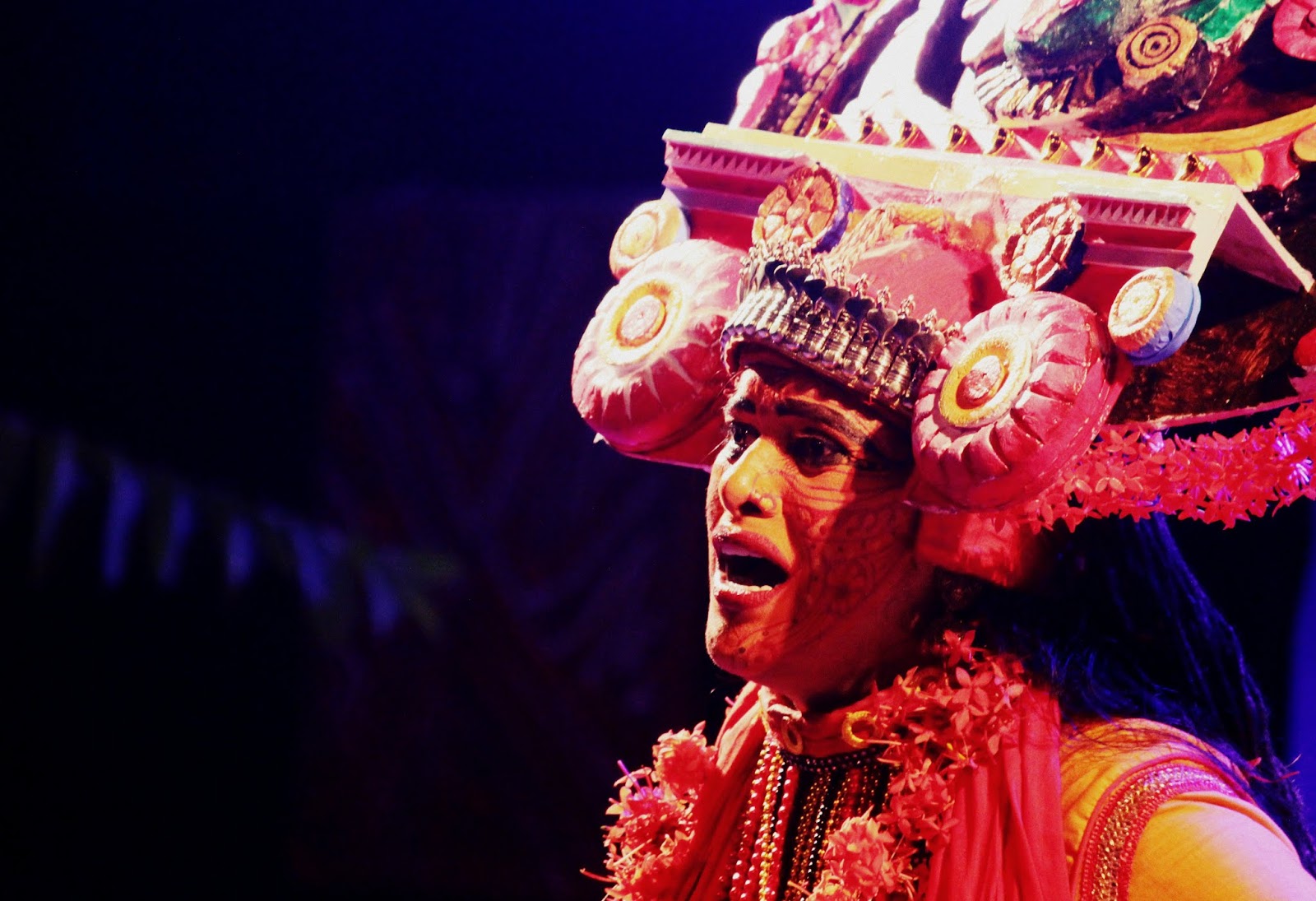
Those who are closely watching Kerala theatre for last few years would observe interesting changes emerging. Young Malayalee directors who have good exposure to national and international art world and deep roots in Malayalam theatre have begun to distinguish themselves with wonderful productions. And they are also creating their audience who are receptive to the new language they are creating. You can see the confidence appearing in young theatre workers….Yes it’s a time for change.
Though the mainstream discussions on theatre were always loud about how the experiments in theatre have distanced the theatre goers, and how it was close to the audience at the time of social movements. It is interesting to see how this discussions are placing experiments in opposition to realism. The basic arguments that run through these discussions are that the experiments inherent in movements like Kalari, Thanathu or dramatic works influenced by academic learning have alienated the common people from theatre! The proof produced in support of this notion is that the number of viewers has reduced to their hundreds while it was in the thousands in early 1950s. Is it possible to evaluate or judge any art form going by the number of people who appreciate it or attend a show?
Yes, Modern Theatre has established itself with its secular colour. It was considered as a form which can be appreciated by the masses and theatre has always been considered a tool to influence the consciousness of society. The adoption of Kalari movements theatre in the 1960s has for the first time attempted to take Kerala Theatre out, from textual language to visual text. That was a huge change, in theatre as an art form. Thanathu Movement or the search of for native roots and creating a national theatre came as a part of Nehruvian policy. Experimentation in theatre form and developing a theatre as a continuation of our culture, happened almost simultaneously after the 1960s. It took time to conceive and shape the form. Naturally theatre changed its face. It is not any more an item for entertainment just before a public meeting or a tool for changing their politics. Theatre had begun to stand on its own as a form with its own concerns of visual text and search for connection with roots.
The !970s and 1980s were again the time for new social movements. Plays created during that period combined of both the trends. Brehtian theatre language along with Kerala folk theatre, together shaped most of the street plays along with Kalari inputs. Viewers of these plays again were restricted to the community of the region. It was not mass attendance like that of the earlier audience for drama advocating social movements. Nexalite, Feminist, Environment and Dalit movements considered theatre as a potent device for effecting communication. Again, it is important to note that the very concept and form had changed much from the days of the early social plays like Ningalenne kammunistakki or Ethu bhoomiyannu. The expectations of the audience were different now from what it was before and in that sense we can see the real shift in the taste of theatre audience.
What we provided for audiences outside Kerala is also an interesting subject to look at. What was Kerala theatre like, for a national-level audience? They were familiar with Thoppil Bhasi, G Sankara Pillai and K N Panikkar. That was the situation till the last decade. Kerala theatre scenario has begun to change over the last few years. Several directors like Abhilash Pillai, Chadrahasan, Naripatta Raju, Jyothish M J, Deepan Sivaraman, Suveeran, Shanker venkiteswaran, Shylaja, Sudhi C V, Mini I G all are well known at the national level. Actor/Directors like Sreelatha S, Raguthaman, Shaji Kariyat, the present writer, and many more have added their experience, buttressed by inputs from national and international theatre, to Kerala theatre. light designers like Sreekanth, Jose Koshy,Musicians like Chandran have enriched Kerala theatre music with their invaluable international experience. They all are dealing with the issues of a globalised world and are trying to find a new language for their medium of art. Their challenges are much tougher than before. They are always open to traditional forms and also to new media. That is the world they all are living in. That is why this generation is open in incorporating all forms of art in theatre.
Again, if we come back to the discussion of the Kerala audience, it is easy to see how warmly such nationally acclaimed productions like Sidhartha, Spinal Chord, Sahyante Makan were received by the audience. What is lacking in Kerala is good theatre space to perform all these well designed productions. Some of these productions, even though well known at the national level, are still waiting for the Kerala audience to watch them, for want of proper theatre facilities. Are these new trends happening just because our directors are always trying to establish their work on par with national or international theatre productions? There is an argument that what we are lacking is small productions which can be go around and perform all over Kerala villages, which can produce real magic of theatre. It is also interesting to see that lots of good productions are coming from villages, developed by skillful directors like Naripatta Raju, Suveeran and Promod Payyanoor. Here, the village artist who has training in theatre by practice, find resources at the local level to work with these directors. These productions are also equally competent at the national level.
Different levels of theatre works are happening in Kerala, and several full-time theatre artists are struggling for survival. What is still lacking is a meaningful support for their artistic pursuit.
Sajitha Madathil

വേദനയോടെ വിട


‍ആറമുള പൊന്നമ്മ മരികുംപോള്‍ നമുക്ക് നഷ്ടമാകുന്നത് ആദ്യകാല സ്ത്രീപക്ഷ ചിന്തയുടെ രൂപപ്പെടലിന്റെ ഭാഗമായി പൊതു ഇടങ്ങള്‍ സ്വന്തമാകിയ പഴയകാല സ്ത്രീ തലമുറയെയാണ്.ആയിരത്തി തൊള്ളായിരത്തി മുപ്പതുകള്‍ കേരളത്തിലെ സ്ത്രീകളെ സംബന്ധിച്ചിടത്തോളം സുപ്രധാനമായ ഒരു കാലഘട്ടമായിരുന്നു. ഇക്കാലത്താണ് വിദ്യാസമ്പന്നരായ സ്ത്രീകള്‍ കേരളത്തിന്റെ പൊതുമണ്ഡലങ്ങളില്‍ സാംസ്‌കാരിക പ്രവര്‍ത്തനങ്ങളുടെ ഭാഗമായി വരാന്‍ തുടങ്ങുന്നത്. പള്ളുരുത്തി ലക്ഷ്മി, സി കെ രാജം, മാവേലിക്കര പൊന്നമ്മ, അടുര്‍ പങ്കജം, അടൂര്‍ ഭവാനി തുടങ്ങിയവരില്‍ അക്കാലത്ത് പ്രമുഖയായിരുന്നു ആറന്‍മുള പൊന്നമ്മ. മലയാളഭാഷയിലെ ആദ്യകാല സംഗീത നാടകങ്ങളില്‍ അഭിനയിച്ച സ്ത്രീകളില്‍ പ്രമുഖരായവരുടെ അവസാനത്തെ കണ്ണിയാണ് ആറന്‍മുള പൊന്നമ്മയുടെ നിര്യാണത്തിലൂടെ അവസാനിച്ചത്.
മുപ്പതുകളില്‍ സംഗീതം പഠിച്ചു കൊട്ടന്ഹില്‍ സ്കൂളില്‍ അധ്യാപികയായി ചേര്ന്ന അവര്‍ ജോലിയില്‍ നിന്ന് ലീവെടുത്ത് നാടകം അഭിനയിക്കുവാന്‍ തീരുമാനിക്കുമ്പോള്‍ അത് അന്നത്തെ സമൂഹത്തില്‍ അത്ര സ്വാഭാവികമായ കാര്യമല്ല (ഒരു പക്ഷെ ഇന്നും!) മലയാള നാടകവേദി സംഗീത നാടകത്തിന്റെ മാസ്മരികതയില്‍ നിന്ന് സാമൂഹ്യ നാടകത്തിന്റെ സ്വഭാവികതയിലേക്ക് ചുവടുമാരിയതില്‍ ഈ സ്ത്രീകള്‍ക്കുള്ള പങ്കു നിര്‍ണ്ണായകമാണ്.
അക്കാലത്ത് ഇവര്‍ക്കൊന്നും തന്നെ അത്രയെളുപ്പമായിരുന്നില്ല നാടകരംഗത്ത് സജീവമായി നില്‍ക്കുക എന്നത്. സംഗീതനാടക പ്രസ്ഥാനത്തിന്റെ അവസാനകാലത്ത് കേരളത്തില്‍ സാമൂഹ്യ നാടകാവതരണങ്ങള്‍ സജീവമാകുമ്പോഴാണ് ആറന്‍മുള പൊന്നമ്മ നാടകത്തിലേയ്ക്ക് വരുന്നത്. അവരുടെ വാക്കുകളില്‍ പറഞ്ഞാല്‍ ''ദാരിദ്ര്യം കൊണ്ടുമാത്രമാണ് ഞാന്‍ നാടകത്തിലെത്തുന്നത്''.അനിയത്തി തങ്കം വാസുദേവന്‍ നായരോടൊപ്പം ആറന്‍മുള പൊന്നമ്മ കേരളത്തിലെങ്ങോളമിങ്ങോളം വിവാഹത്തിനുമുമ്പ് സംഗീതകച്ചേരികള്‍ അവതരിപ്പിച്ചഇരുന്നു . കേരളത്തില്‍ അന്നുനടക്കുന്ന പ്രധാനപ്പെട്ട പല പരിപാടികളിലും സ്ത്രീകളെ ആകര്‍ഷിക്കാന്‍വേണ്ടി ആറന്‍മുള സിസ്റ്റേഴ്‌സിന്റെ സംഗീതകച്ചേരി ഉണ്ടായിരുന്നു. സഹോദരീ ഭര്‍ത്താവ് വൈക്കം വാസുദേവന്‍ നായരുടെ സഹായത്തോടെയാണ് ആറന്‍മുള പൊന്നമ്മ നാടകവേദിയിലെത്തുന്നത്. ആദ്യ നാടകം പൊട്ടക്കനേത്ത് വേലുപിള്ളയുടെ ഭാഗ്യലക്ഷ്മിയായിരുന്നു. ഈ നാടകത്തില്‍ പൊന്നമ്മയുടെ നായകനായി അഭിനയിച്ചത് ഗായകന്‍ യേശുദാസിന്റെ പിതാവ് അഗസ്റ്റിന്‍ ജോസഫായിരുന്നു.

ആദ്യ സിനിമ ശശിധരന്‍ 1950 ലായിരുന്നു. അമ്മയായി തുടങ്ങിയ രംഗപ്രവേശം പിന്നീടു അവസാനം വരെ തുടരേണ്ടിവന്നു..കുലീനയായ നല്ല അമ്മ കഥാപാത്രങ്ങള്‍ മാത്രമേ അവര്ക് ചേരുക്കയുള്ളൂ എന്നെ സിനിമാലോകം തീരുമാനിച്ചു . സിനിമയുടെ ആണ്‍ ലോകകതിനുള്ളില്‍ സ്വയമൊരു സംരക്ഷിത കവചമൊരുക്കാന്‍ തന്റെ അമ്മ വേഷങ്ങള്‍ക്ക് കഴിഞ്ഞിരുന്നുവെന്ന് ആറന്‍മുള പൊന്നമ്മ പറഞ്ഞിട്ടുണ്ട്. പൊന്നമ്മയുടെ അഭിനയജീവിതത്തില്‍ ഒരു സ്ത്രീയെന്ന നിലയില്‍ അവര്‍ എടുത്ത ബുദ്ധിപൂര്‍വകമായൊരു തീരുമാനമായിരുന്നു ഇത്. സത്യന്റെയും നസീറിന്റെയും തിക്കുറിശ്ശിയുടെയും ഒക്കെ അമ്മയായതുകൊണ്ട് അത് സിനിമാ ലൊക്കേഷനുകളിലെ ജീവിതശൈലിയായി മാറുകയായിരുന്നു. അങ്ങനെ വെള്ളി വെളിച്ചത്തിലെ അമ്മവേഷം അഴിച്ചുമാറ്റിയാലും മാറിപ്പോകാത്തവിധം ജീവിതത്തിലൊട്ടി നിന്ന നിത്യവേഷമായി.

ഓരോ കലാകാരി എന്ന നിലയില്‍ ഗൌരവപ്പെട്ട വേഷങ്ങള്‍ അപുര്‍വമയെ തനിക്കു ലഭിച്ചിട്ടുള്ളൂ എന്നവര്‍ക്ക് നന്നായി അറിയാമായിരുന്നെങ്കിലും ലഭ്യമായ ഇടത്തെ തന്റേതാക്കി മാറ്റുന്ന കാഴ്ചയാണ് കാണാന്നവുക. മലയാളീ പുരുഷന് അമ്മയില്‍ നിന്ന് കേള്‍ക്കാന്‍ ആഗ്രഹിക്കുന്ന ഒരേ സ്വഭാവമുള്ള ഡയലോഗുകള് ആയിരം തവണയെങ്കിലും പറഞ്ഞു ആ അഭിനേത്രി ജീവിതവും സര്‍ഗത്മഗതയും മുറുകെപിടിച്ചു

അമ്മ നടിക്ക് കിട്ടുന്ന തുച്ചമായ പ്രതിബലത്തില്‍ ജീവിതം രണ്ടറ്റവും മുട്ടിച്ചു..ഒരിക്കല്‍ തനിക്കു ലഭിക്കുന്ന വരുമാനത്തെക്കുറിച്ച് അവര്‍ ഇങ്ങനെ പറഞ്ഞു.

''ആദ്യം കിട്ടയ പ്രതിഫലവും അവസാന സിനിമയ്ക്ക് കിട്ടിയ പ്രതിഫലവും തമ്മില്‍ വര്‍ഷങ്ങളുടെ അന്തരമല്ലാതെ മറ്റൊന്നുമുണ്ടായിട്ടില്ല.''
1950 മുതല്‍ 2003 വരെ സിനിമാ രംഗത്ത്‌ സജീവമായിരുന്ന ഈ സ്ത്രീയുടെ ചരിത്രം സിനിമ നാടക ചരിത്രത്തിന്റെ വിവിധ അധ്യായങ്ങളിലൂടെയുള്ള യാത്രയാണ്‌. ‍ കലയുടെ ലോകത്തുനിന്ന് ഒരിക്കലുമവര്‍ തെന്നിമാറിയില്ല. അനാരോഗ്യം കിഴ്പെടുതുന്നത് വരെ.... മലയാളിയുടെ അമ്മ സക്കല്പതെ ആവോലും ത്രിപ്തിപെടുതിയ ഈ കലാകാരിക്ക്... സംഗീതത്തെ...അഭിനയത്തെ.... പ്രണയിച്ച ഈ പ്രതിഭയ്ക്ക് .... വേദനയോടെ വിട
സജിത മഠത്തില്‍
Newer Posts Older Posts Home